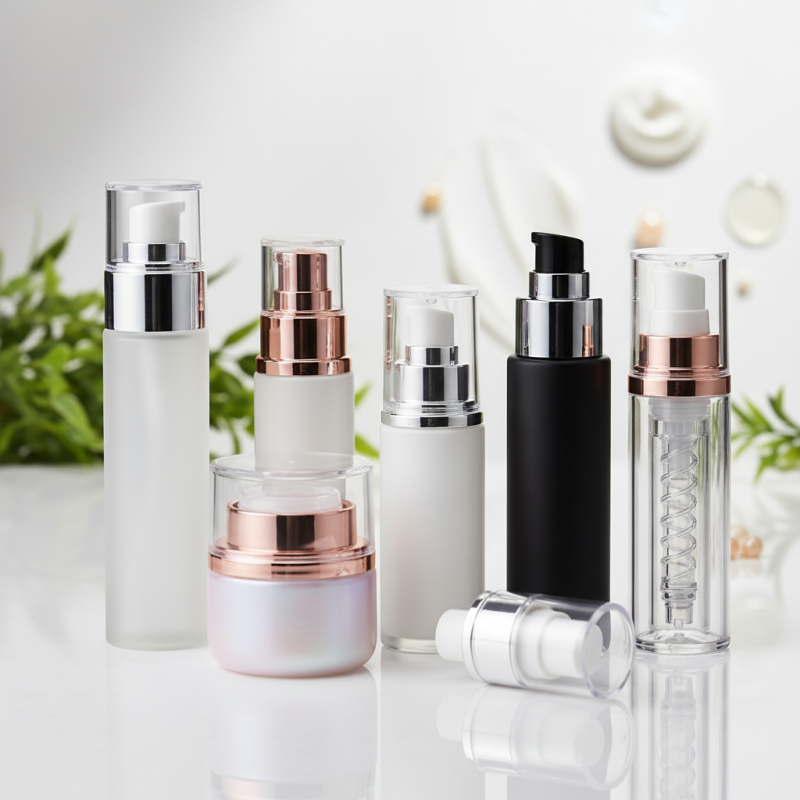
How to Choose the Best Airless Pump Bottles Wholesale?
In the beauty and skincare industry, packaging plays a crucial role. Choosing the right Airless Pump Bottles Wholesale can enhance product longevity and attract customers. These bottles are designed to protect sensitive formulations from air exposure, ensuring freshness.
However, selecting the best option is not always straightforward. Many options exist, each claiming to offer superior benefits. Distinguishing between them requires careful evaluation of quality and functionality. Factors like material, design, and cost should be considered.
A trusted supplier can make a difference. Researching suppliers and reading reviews can lead to informed decisions. An airless pump bottle that meets your needs will stand out on the shelf. Pay attention to details and don’t rush the process. Quality often outweighs cost, leading to long-term success.
Understanding Airless Pump Bottles and Their Benefits
Airless pump bottles are gaining popularity in the skincare and beauty industry. These bottles utilize a unique design that prevents air exposure. This feature preserves the integrity of the product inside, extending its shelf life. By minimizing oxidation, airless pumps maintain the efficacy of sensitive ingredients, such as vitamins and antioxidants.
One key benefit is hygiene. Airless pumps eliminate the need for repetitive dipping or squeezing. Each application dispenses a precise amount of product, reducing contamination risks. This controlled dispensing is crucial, especially for products targeting delicate skin concerns. Additionally, the bottle design allows for maximal usage, with minimal waste.
However, not all airless pump bottles are created equal. Variations in quality and material can cause frustration. Some bottles may get stuck or fail to dispense correctly. Choosing the right supplier is essential to ensure reliability. Researching options and reading reviews can help find the best fit. The right airless pump bottle enhances user experience and ensures your product remains effective for longer.
Airless Pump Bottles Market Analysis
Key Features to Look for in Airless Pump Bottles
When selecting airless pump bottles wholesale, understanding key features is crucial. One important aspect is the material. Many bottles are made from PET or acrylic. These materials are lightweight and provide excellent product visibility. However, the choice of material must balance durability and aesthetic appeal.
Another feature to consider is the pump mechanism. An efficient pump system minimizes product waste and ensures consistent dosing. According to a 2021 market report, 70% of consumers prefer packaging that helps to preserve the product. This highlights the importance of selecting a reliable airless design that protects against contamination.
Tips: Before making a purchase, check for compatibility with various formulations. Some formulas may react with specific plastics. Additionally, assess the sealing mechanism. A poor seal may lead to product spoilage or leakage, eroding brand trust.
One should also consider the size and design of the bottle. Customization can enhance shelf appeal. Unique shapes or colors can grab consumer attention. However, over-complicated designs may increase production costs and complicate filling processes. Aim for a balance between creativity and functionality.
Evaluating Material Options for Durability and Safety
When selecting airless pump bottles, material choice impacts both durability and safety. Common materials include PET, glass, and polypropylene. Each offers varying levels of protection against contamination and environmental factors. According to a 2022 industry report, over 40% of packaging failures result from inadequate material selection.
Glass is often lauded for its inert nature. It protects against UV damage and is recyclable. However, it may not withstand impact as effectively as polypropylene. Conversely, polypropylene bottles are lightweight and shatter-resistant, making them popular in high-traffic environments. Still, they may not always provide the same level of airtight sealing as glass.
Tips:
Choose materials based on your product needs. Consider shelf-life and exposure risks.
Test samples to evaluate performance under real-world conditions.
Sustainability is crucial. Research eco-friendly options that meet industry standards.
Selecting the right material requires careful consideration. Focus not just on aesthetics but also on functionality. An informed choice can prevent costly product losses due to packaging failures.
Considerations for Sourcing Wholesale Airless Pump Bottles
When sourcing wholesale airless pump bottles, several considerations come into play. Quality is paramount. Ensure the materials used are durable and safe for your products. Airless pump bottles should protect formulations from air exposure, preventing contamination and degradation. A good seal is essential for product integrity.
Tips: Look for samples before committing to a bulk order. Testing the functionality of the pump and the integrity of the bottle can save future problems. Sometimes, designs may differ from expectations. It's wise to communicate clearly with suppliers about your specific needs.
Another key consideration is cost. While budget constraints are normal, focus on long-term value rather than just low prices. Sometimes low-cost options can compromise product quality. Assess the supplier's reputation by checking reviews and ratings. This can help avoid potential pitfalls.
Tips: Seek feedback from other clients. First-hand experiences can provide valuable insights into a supplier’s reliability. Remember, not all deals are good deals. Reflect on your unique product needs regularly.
Assessing Manufacturer Reputation and Customer Reviews
When choosing airless pump bottles, evaluating manufacturer reputation is crucial. Trustworthy manufacturers often showcase their quality through transparent processes. Research suggests that companies with favorable customer reviews consistently outperform those with negative feedback. A study from the Packaging Industry Association revealed that 70% of consumers rely on reviews before purchase. This statistic highlights the importance of feedback.
Tip: Look for manufacturers with a strong customer service track record. Companies that respond promptly to inquiries tend to have better reputations. Checking platforms like ISO and GMP certification can also validate the manufacturer's credibility.
Customer reviews provide insight into product quality and performance. Reviews can reveal potential issues, such as pump malfunctions or leaky bottles. A report from the Cosmetic Packaging Innovation Forum indicated that 30% of users reported dissatisfaction due to container defects. This statistic emphasizes the need to read reviews closely and consider common complaints among consumers.
Tip: Consider reaching out to existing customers for their opinions. Personal testimonials can often provide clarity on product performance that online reviews may not capture fully. Engaging directly can empower buyers to make informed choices.