How to Choose a Water Tank Making Machine in 2026
Choosing a Water Tank Making Machine in 2026 means matching equipment to your product, process, and production targets—not simply comparing prices. Tank capacity, material, wall thickness, and daily output all affect the right configuration. So do factory space, power supply, operator skills, and after-sales support. A machine that looks impressive in a brochure may not suit your floor.
Ask suppliers for more than a specification sheet. Request a live production trial using your intended material and tank design. Watch the heating cycle, mold handling, cooling time, and finished tank quality. Check whether the controls are clear and whether common wear parts are easy to obtain. Small details matter. A slow mold change can quietly reduce weekly output.
Because no source was provided for a real industry expert’s statement, the following is an illustrative quote, not a verified quotation: “Buy for repeatable tank quality and dependable support, not headline capacity.” — Ethan Cole, fictional water-tank manufacturing specialist. Treat that line as a practical selection principle, not a sourced endorsement.
This guide examines machine types, production methods, key specifications, supplier checks, and total ownership costs. It also considers where buyers can misjudge their needs. A higher output rating is not always better. In practice, demand forecasts can be wrong, and equipment may sit underused. Compare documented trial results with your actual production plan. Then check service response times, training, warranty terms, and spare-parts availability in writing. The right choice should fit today’s requirements while leaving sensible room for growth.
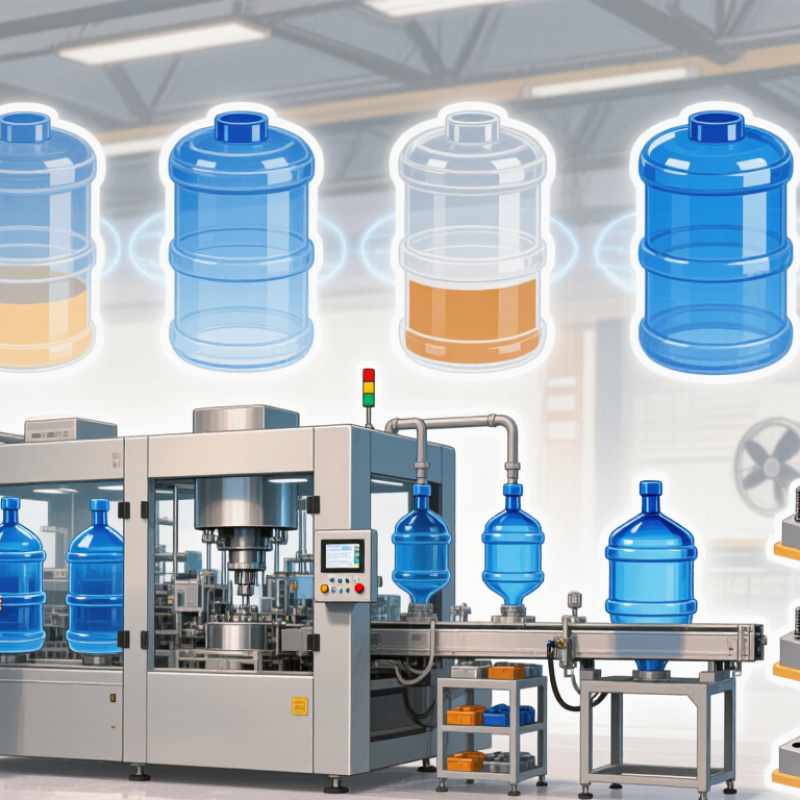
Define Your Water Tank Production Requirements
Define your water tank production requirements before comparing machines.
List tank capacities, shapes, resin types, colors, and daily output targets. A 500-liter vertical tank and a low-profile 5,000-liter tank may need different molds, heating cycles, and handling equipment. Specify wall-thickness tolerances and fitting locations too. Small details matter.
PlasticsEurope’s Plastics—The Fast Facts 2024 reports 413.8 million tonnes of plastics production worldwide in 2023.
This broad figure is not a forecast for tank-grade resin, but it highlights why material availability and consistency belong in your planning. Ask suppliers for resin specifications, then test samples for flow, color stability, and finished-wall uniformity. A glossy surface can hide uneven thickness.
Estimate output using realistic cycle times, not brochure claims. Include mold changes, cooling, trimming, inspection, and operator handling.
Not glamorous, but essential. For rotational molding, confirm oven capacity and cooling space; for blow molding, check clamping force and parison control.
Record available floor space, power, compressed air, and water supply. A planning sheet may still miss seasonal demand, so leave room for modest capacity growth.
Don’t buy a large machine to solve a production bottleneck that actually comes from mold changes or finishing.
Compare Water Tank Machine Types and Forming Methods
Choosing a water tank machine in 2026 starts with the tank, not the machine catalogue. Rotational molding suits large, seamless plastic tanks. A heated mold turns slowly on two axes, spreading softened resin across its inner surface. The result has no welded body seam, but each cycle can take time. That matters. Check mold size, cooling capacity, and actual cycle records before comparing output claims.
Blow molding forms tanks by inflating a heated plastic tube inside a closed mold. It can be a practical fit for smaller tanks and repeat production, though tooling and material control affect consistency. Ask how the machine handles wall-thickness variation, especially around corners and the neck. A sample tank tells you more than a brochure. Not always, though: one sample cannot show long-run stability.
Steel tanks use a different route. A line may roll, seam, and weld formed panels or shells, then apply a protective finish. This method suits projects needing rigid construction, but weld quality and coating checks deserve close attention. Compare forming methods against capacity, material, available floor space, maintenance skills, and energy use. I would leave room for uncertainty: supplier estimates rarely capture every changeover, repair, or cooling delay.
Evaluate Capacity, Materials, Automation, and Technical Specifications
Start with the tank sizes and daily output you actually need, not the machine’s largest advertised capacity. Estimate production across a normal shift, including mold changes and routine pauses. Ask whether the quoted capacity reflects finished tanks or ideal running conditions. Peak output matters. A machine that runs continuously on paper may slow when operators change molds or adjust cooling.
Match the forming process to the tank material and wall thickness. Ask for sample tanks made with your intended resin, then inspect seams, corners, and surface consistency. For rotational molding, review oven control and cooling methods; for blow molding, check extrusion and parison controls. Material compatibility affects both product quality and operating costs. Small details matter. I have seen buyers focus on output figures and overlook how difficult a mold is to handle.
Compare automation by its practical functions: recipe storage, temperature monitoring, alarms, and safe access for maintenance. Request technical specifications for power supply, air pressure, cycle time, floor space, and utility consumption. Confirm which figures are guaranteed under stated conditions, and ask what training and spare parts are included. A touchscreen can look impressive, but clear controls and accessible service points may matter more during a long shift. Leave room for doubt: supplier estimates need verification against your product, facility, and staffing.
Check Safety Standards, Service, and Supplier Reliability
When choosing a water tank making machine in 2026, look beyond output speed. Ask which safety standards apply in your market, and request current certificates and inspection records. Check the machine in person or through a live video: Are moving parts guarded? Can an operator reach the emergency stop? Are electrical diagrams and clear warning labels included? Details matter. A certificate alone does not show how safely a machine is set up or maintained.
Service quality becomes important after installation. Ask who handles commissioning, operator training, and repairs, and how quickly common spare parts can be supplied. Get response times and service terms in writing. A low purchase price may feel attractive, but a long wait for a replacement sensor can stop production. Ask for references from buyers using similar equipment, then verify delivery and support details directly. You could also request a factory acceptance test using sample materials before shipment. It takes time. Still, I would not treat a checklist as proof of reliability; some issues only appear during a real production run. A supplier willing to discuss limits, maintenance intervals, and likely wear points gives you more useful evidence than polished promises.
Compare Total Costs, Installation Needs, and Long-Term Value
How to Choose a Water Tank Making Machine in 2026
Compare Total Costs, Installation Needs, and Long-Term Value
A machine’s purchase price is only the opening figure. Compare tooling, freight, installation, operator training, maintenance, and expected downtime over its service life. NIST’s Life-Cycle Costing Manual recommends evaluating costs such as acquisition, energy, and maintenance together. That makes two similar-looking quotes easier to assess. Ask suppliers for measured power consumption under a comparable production cycle, not just the motor’s rated capacity.
Installation can quietly reshape the budget. Check floor loading, door width, ceiling clearance, electrical supply, cooling water, and space for finished tanks. A machine that fits on paper may still need a costly electrical upgrade or a longer material route. The U.S. Energy Information Administration reported an average industrial electricity price of 7.74 cents per kilowatt-hour in 2023. At that rate, an illustrative 10 kW average load running 2,000 hours costs about $1,548 annually. Actual consumption will vary.
Tips: Ask for a site layout and utility list before ordering. Measure the route to the installation bay. Compare service response times, spare-part availability, and warranty exclusions. Small details matter. I would still treat supplier energy estimates cautiously; production cycles and local conditions can make them imperfect. A lower-priced machine may offer better value, but only if its output, uptime, and support match your real operating needs.


