Choosing a Drilling Rig API 6A Check Valve requires more than matching a pressure rating to a purchase order. The valve must suit the rig’s actual flow path, connection type, fluid composition, temperature, and operating pressure. A wrong selection can cause reverse flow, unstable pressure, or difficult maintenance during critical operations. Small details matter.
Experienced drilling engineers usually begin with the wellhead and pressure-control system. They verify the required API 6A product specification level, pressure class, bore size, end connection, and material grade. Sour-service conditions also deserve careful attention when hydrogen sulfide may be present. Temperature limits, sealing materials, and corrosion resistance should match the documented operating environment. Do not rely only on a supplier’s product photograph.
Reliable selection depends on evidence. Request dimensional drawings, material certificates, pressure-test records, traceability documents, and maintenance instructions. Confirm that the manufacturer’s quality system supports consistent inspection and testing. Ask how the check valve handles debris, pulsating flow, and repeated pressure cycles. A clean workshop test does not always represent a muddy drilling site. That difference is easy to overlook.
Field experience also shows that installation orientation can affect performance. Follow the flow arrow and confirm access for inspection. Check the valve after commissioning, not only before delivery. A checklist alone is not enough. Engineers should compare real operating data with the original specification and revise assumptions when conditions change. Careful verification makes the Drilling Rig API 6A Check Valve a dependable part of the pressure-control system, rather than an expensive source of avoidable uncertainty.
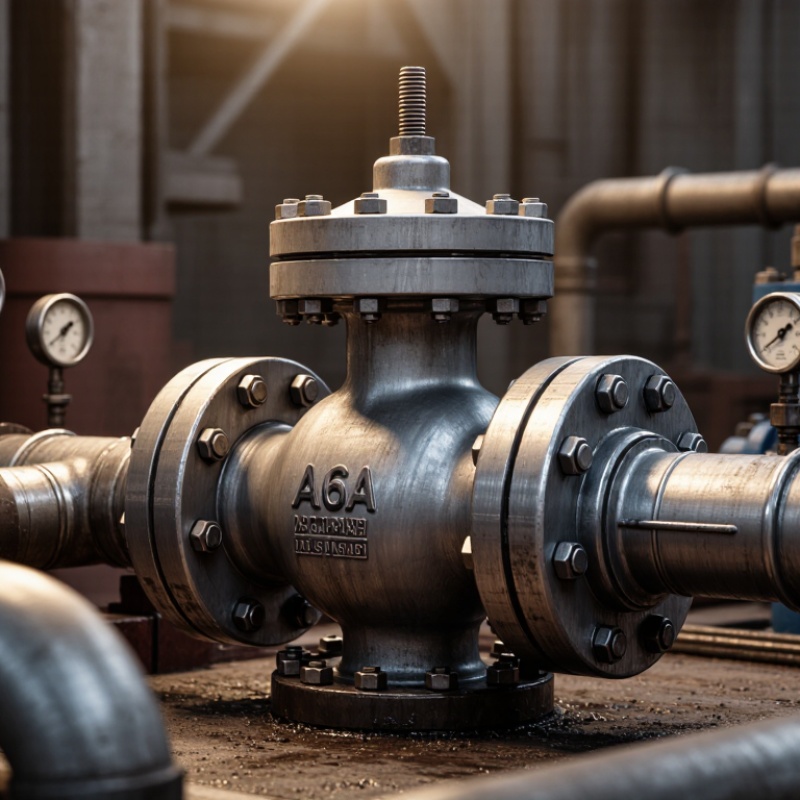
How to Choose a Drilling Rig API 6A Check Valve?
An API 6A check valve controls flow in one direction within wellhead and drilling systems. It helps prevent backflow when pumps stop or pressure changes suddenly. This protection can reduce fluid movement toward sensitive equipment and support safer pressure control. The valve must match the system’s working pressure, temperature range, bore size, and connection type. Pressure class alone is not enough. Confirm the required product specification level, performance requirement, and material class for the operating environment.
In practical field checks, technicians should inspect the body, closure element, seals, and hinge or spring mechanism. A valve that closes slowly may allow pressure surges. A damaged seal may leak during testing. Sour or highly corrosive service needs carefully verified materials and documentation. Installation direction also matters. It sounds obvious, yet rushed maintenance can reverse the flow arrow. That small mistake can have serious consequences. Testing should follow the approved procedure, with recorded results and traceable inspection records.
Tips: Compare the valve’s rated pressure with the maximum expected pressure, not the normal working pressure. Check temperature limits before selecting seal materials. Review connection dimensions against the existing manifold. Ask for test certificates and maintenance guidance. A check valve is not a magic barrier. Poor alignment, debris, or incorrect installation can still defeat its purpose. Recheck assumptions before ordering.
Choosing a drilling rig API 6A check valve starts with pressure, temperature, and material requirements. Do not select it by nominal line size alone. Confirm the maximum working pressure, pressure surges, and testing conditions. The valve rating must exceed the system’s highest expected pressure, not only its normal operating pressure. A small safety margin is useful, but it should not replace proper engineering calculations.
Temperature needs equal attention. Check the process temperature, ambient conditions, and possible heat during well control operations. Seal and packing limits can differ from the body rating.
For materials, review the fluid composition carefully. Hydrogen sulfide, carbon dioxide, chlorides, and drilling chemicals may affect metal and elastomers. Match the body, trim, seats, and seals with the required material class and sour-service conditions.
API 6A documentation should also confirm the pressure rating, temperature class, and applicable product specification level.
Tips: Ask for complete test records and material certificates. Verify flange or outlet connections before ordering. Inspect the valve after installation, especially if storage was long or conditions changed.
In practice, pressure is often checked first, while seal compatibility receives less attention. That is a mistake. A valve may look suitable on paper but fail when temperature cycles, corrosive fluids, and repeated flow reversals occur. When uncertain, involve a qualified valve engineer and reassess the assumptions.
How to Choose a Drilling Rig API 6A Check Valve?
Valve selection begins with three facts: size, connection, and flow direction. Match the valve’s nominal bore with the adjoining API 6A equipment. A smaller bore can increase velocity, turbulence, and pressure loss. API Spec 6A, 21st Edition, recognizes working pressure ratings from 2,000 to 20,000 psi. Select a rating above the maximum anticipated well pressure, not only the normal circulating pressure. Leave room for pressure testing and surges.
Connection details deserve careful inspection. Confirm the flange size, pressure class, ring-gasket groove, and stud pattern. API 6A 6B and 6BX connections are not interchangeable. Check the equipment drawing, not memory. The valve body must also match the required material class and temperature class. For flow direction, follow the cast arrow on the body. Install the check valve so upstream pressure opens the closure member and reverse pressure closes it. A wrong orientation may look acceptable during installation.
Tips: Record bore, pressure class, connection type, material class, and arrow direction before ordering. Compare the manufacturer’s pressure-drop curve with the planned flow rate. Field debris can delay closure. That detail is easy to underestimate. IOGP well-control guidance emphasizes documented equipment verification, while API Spec 6A requires controlled design and testing practices. Still, paperwork cannot replace a visual inspection. A technically correct valve may perform poorly if the seat contains drilling solids or the hinge has restricted movement.
Select the correct valve size, connection, and flow direction by matching the nominal bore to the flowline, confirming the API 6A connection type and pressure rating, and installing the check valve according to its flow arrow.
Choose a nominal bore that matches the connected flowline and required flow capacity. The chart uses common API 6A nominal bore sizes and their exact millimetre conversions.
Confirm that the valve connection matches the mating equipment, such as an API 6B or API 6BX flange or a specified hub connection, as well as the required working pressure.
Install the check valve with the body arrow pointing from the inlet toward the outlet. Verify the manufacturer’s installation instructions before commissioning.
Nominal bore conversion is based on 1 inch = 25.4 mm. Confirm the exact size, pressure rating, material class, temperature rating, and connection specification against the applicable API 6A documentation and equipment datasheet.
A drilling rig API 6A check valve should be selected through documented evidence, not appearance or price. Request the current API Spec 6A certificate and confirm its exact scope. Check the pressure rating, temperature class, product specification level, and performance requirement level. These details must match the well design and operating envelope. A certificate with the wrong valve configuration is not useful.
Testing records deserve close attention. API Spec 6A requires controlled design validation, pressure testing, and documented manufacturing controls. Review hydrostatic shell and seat-test results, test duration, pressure, medium, and acceptance criteria. For demanding gas service, verify whether additional gas testing applies. ISO 10423:2022 and API Spec 6A should be compared carefully when a supplier presents both references. IOGP safety performance reports continue to track high-potential process events across millions of work hours, showing why pressure-boundary verification cannot be treated as paperwork.
Tips: Ask for heat numbers, material certificates, non-destructive examination records, and calibration certificates. Confirm that serial numbers connect every report to the delivered valve. Inspect the nameplate before installation. I have seen documents look complete while one pressure value remained unclear. That should stop approval. An independent inspection can expose missing signatures, expired calibration, or inconsistent test temperatures. Do not rely only on a supplier’s certificate copy. Contact the certification body when authenticity or scope seems uncertain.
How to Choose a Drilling Rig API 6A Check Valve?
Maintenance needs often reveal a check valve’s real cost. API Specification 6A defines pressure, temperature, materials, and validation requirements, but it does not promise a fixed service life. Field experience shows that sand, vibration, pressure cycling, and poor alignment can shorten operating time. Inspect the hinge, seat, body cavity, and bonnet sealing area. Look for replaceable trim and clear inspection intervals. Small access details matter.
The U.S. Department of Energy’s Operations and Maintenance Best Practices Guide estimates that maintenance can represent 60–75% of total life-cycle cost. Therefore, compare more than the purchase price. Ask for documented test records, recommended spare parts, torque values, and repair procedures. A valve with a higher initial cost may reduce rig-floor delays. Sometimes, however, the expensive option only has better paperwork. Verify the evidence.
Service life also depends on supplier support. ISO 14224 emphasizes consistent equipment failure and maintenance data, which helps operators identify recurring problems. Ask suppliers to provide failure-history formats, response targets, technician availability, and training records. Confirm whether support covers pressure testing after repair. Practical support should include a reachable engineer, not only an email address. During selection, request references from similar drilling environments. This step is often skipped. That is a weakness. A useful comparison should measure downtime, overhaul frequency, spare-part lead time, and support quality over several operating cycles.
| Selection Dimension | Lower-Cycle Drilling Service | High-Cycle Drilling Service | Severe or Abrasive Service | What to Confirm Before Purchase |
|---|---|---|---|---|
| Typical valve design | Swing check valve with a simple hinged closure member | Piston or axial check valve designed for frequent cycling | Robust piston, dart, or guided check valve with replaceable wear components | Flow direction, closing characteristics, internal geometry, and suitability for the expected fluid |
| API 6A pressure selection | Select a rated working pressure equal to or greater than the maximum anticipated wellhead or flowline pressure | Use the required API 6A pressure rating with additional attention to pressure-cycle frequency | Use the required API 6A rating and verify pressure-containing and pressure-controlling performance under the specified test program | API 6A nominal working-pressure category, hydrostatic test pressure, and documented test results |
| Pressure classes commonly considered | 2,000 to 5,000 psi, where permitted by the application design | 5,000 to 10,000 psi for many high-pressure drilling and well-control applications | 10,000 to 20,000 psi where the system design requires it | The pressure class must be selected from the actual system design; these ranges are application examples, not universal requirements |
| Maintenance frequency | Visual and operational checks before use; internal inspection during scheduled maintenance or when leakage is detected | More frequent inspection based on cycle count, pressure fluctuations, and observed closing performance | Condition-based inspection after abrasive-fluid exposure, pressure spikes, or abnormal pressure drop | Recommended inspection interval, cycle limits, overhaul procedure, and required inspection records |
| Primary wear points | Hinge, seat, body cavity, seals, and closure-member contact surfaces | Piston or guide, spring, seat, seals, and areas exposed to repeated impact | Seat, closure member, guide surfaces, trim, seals, and erosion-prone flow passages | Material compatibility, hard-facing or erosion-resistant trim, seal materials, and replaceable components |
| Fluid compatibility | Suitable for clean drilling fluids with limited solids and controlled corrosion conditions | Suitable for repeated flow reversals and drilling-fluid service when materials and sealing are correctly specified | Requires specific review for sand, cuttings, sour gas, chlorides, corrosive fluids, and high solids loading | Fluid composition, solids content, hydrogen sulfide exposure, chloride level, temperature, and corrosion-control requirements |
| Maintenance workload | Generally lower if the valve experiences limited cycling and clean service | Moderate to high because repeated cycling can accelerate seat, spring, guide, and seal wear | High; cleaning, dimensional checks, erosion inspection, and more frequent replacement of wear parts may be required | Labor hours, special tools, lifting requirements, spare-part availability, and expected turnaround time |
| Indicative service-life planning | Approximately 5–10 years in compatible, well-maintained service with limited cycling | Approximately 3–8 years, depending strongly on cycle count, pressure changes, and maintenance quality | Approximately 1–5 years in demanding abrasive or corrosive service unless wear components are replaced regularly | These are planning ranges only; API 6A compliance does not establish a universal service-life guarantee |
| Leakage control | Check for visible leakage, pressure decay, and incomplete closure during routine testing | Monitor closing time, reverse-flow prevention, pressure decay, and recurring seat leakage | Investigate leakage promptly because solids and erosion can damage sealing surfaces quickly | Pressure-test method, allowable leakage criteria, test medium, test duration, and traceable test documentation |
| API 6A documentation | Product data sheet, pressure rating, materials, and routine test records | Full product specification, material certificates, pressure-test records, and maintenance instructions | Detailed material traceability, sour-service suitability where required, repair limits, and inspection records | API 6A edition, product specification level, performance requirement, material class, temperature class, and PSL designation |
| Supplier support priority | Standard spare seals, manuals, and normal technical assistance | Fast access to wear kits, troubleshooting support, repair guidance, and replacement schedules | 24-hour technical response, field-service capability, engineering review, and rapid critical-spares supply | Response time, spare-parts lead time, repair-center capability, warranty terms, training, and post-installation support |
| Best selection signal | Simple design, correct pressure rating, low initial maintenance burden, and readily available seal kits | Stable closing performance, verified cycle capability, replaceable wear parts, and strong technical support | Erosion resistance, sour-service compatibility where applicable, repairability, and short spare-parts lead time | Choose the valve that meets the system pressure, fluid, temperature, cycling, maintenance, and documentation requirements together |
| Cookie | Duration | Description |
|---|---|---|
| cookielawinfo-checkbox-analytics | 11 months | This cookie is set by GDPR Cookie Consent plugin. The cookie is used to store the user consent for the cookies in the category "Analytics". |
| cookielawinfo-checkbox-functional | 11 months | The cookie is set by GDPR cookie consent to record the user consent for the cookies in the category "Functional". |
| cookielawinfo-checkbox-necessary | 11 months | This cookie is set by GDPR Cookie Consent plugin. The cookies is used to store the user consent for the cookies in the category "Necessary". |
| cookielawinfo-checkbox-others | 11 months | This cookie is set by GDPR Cookie Consent plugin. The cookie is used to store the user consent for the cookies in the category "Other. |
| cookielawinfo-checkbox-performance | 11 months | This cookie is set by GDPR Cookie Consent plugin. The cookie is used to store the user consent for the cookies in the category "Performance". |
| viewed_cookie_policy | 11 months | The cookie is set by the GDPR Cookie Consent plugin and is used to store whether or not user has consented to the use of cookies. It does not store any personal data. |