Choosing the right Titanium Button Head Bolts can greatly impact your project's success. According to industry expert James Harrison, “The right fastener choice can enhance your product's durability and performance.” In projects where strength and weight matter, selecting quality Titanium Button Head Bolts is crucial.
These bolts are known for their exceptional strength-to-weight ratio and corrosion resistance. However, not all Titanium Button Head Bolts are created equal. Factors such as the grade of titanium, bolt dimensions, and coating should be considered. For example, Grade 5 titanium offers a good balance of strength and weight. Understanding these nuances can help you avoid common pitfalls.
Many overlook the importance of reliable suppliers. This can lead to using subpar bolts that fail under stress. Researching supplier reputation is vital. Attributes like customer feedback and warranties can guide your choice. Ultimately, investing time in understanding Titanium Button Head Bolts will pay off in durability and project success.
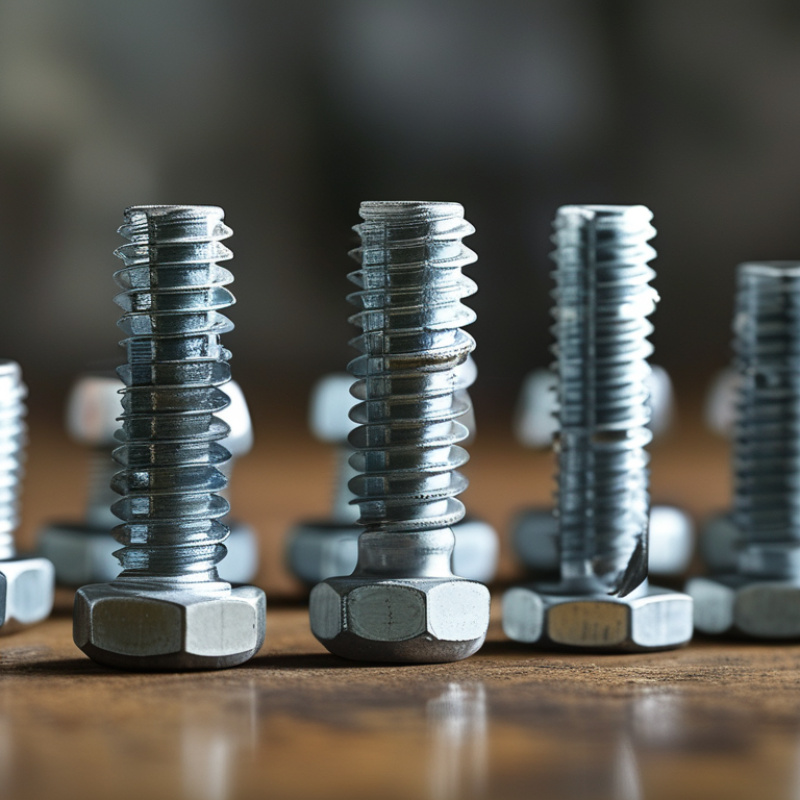
When selecting titanium button head bolts, several critical factors warrant attention. Titanium's strength-to-weight ratio is a primary consideration. Research shows that titanium is 45% lighter than steel while offering comparable strength. This makes it an excellent choice for aerospace and motorsports applications. You need to assess the specific performance needs of your project to determine if titanium's advantages align with your objectives.
Corrosion resistance is another essential factor. Titanium excels in environments that would cause rust in steel. For example, titanium can withstand saltwater, making it ideal for marine applications. However, it can be more expensive than other materials. The cost versus performance balance is crucial here. An improperly handled budget can lead to choosing the wrong fasteners, limiting the project's longevity and effectiveness.
The thread type and size also matter. Matching bolt threads to the required specifications is vital to ensure optimal performance. Overlooking this detail could result in poor fit and potential failure under stress. Understanding the environment and intended load conditions will help you avoid common pitfalls. Seeking expert advice can fill knowledge gaps and ensure you make informed decisions based on reliable data.
When selecting titanium button head bolts for your project, understanding the different grades of titanium is essential. Titanium offers superior strength-to-weight ratios and corrosion resistance compared to traditional materials. The most common grades include Grade 2, Grade 5, and Grade 23. Each grade has unique properties suited to various applications.
Grade 2 titanium is commercially pure, providing good corrosion resistance and moderate strength. It is ideal for applications that require good formability. Grade 5 titanium, on the other hand, alloyed with aluminum and vanadium, is significantly stronger. It is often used in aerospace and high-performance engineering.
Grade 23 includes a biocompatible alloy, making it suitable for medical applications.
Tips: Always evaluate the specific demands of your project. Consider factors such as loading conditions and environmental exposure. Consult industry reports, such as those from ASTM International, which highlight the importance of choosing the correct grade based on application. Improper selection can lead to failures, resulting in costly repairs.
Remember that while titanium bolts have advantages, they can also be costly. Assess whether the increased strength justifies the expense. Always cross-check mechanical properties from reputable sources to ensure reliability in your application.
When selecting titanium button head bolts for your project, understanding your application requirements is crucial. The environment where these bolts will be used plays a significant role. Will they be exposed to extreme temperatures or corrosive substances? Assessing these factors helps ensure durability and longevity.
Load-bearing capacity is another essential consideration. Determine the weight and stress the bolts will endure. This knowledge aids in selecting the right size and grade. Many projects require precise measurements. Inadequate specifications could lead to structural failures.
The aesthetic aspect of button head bolts should not be overlooked. Their sleek design can enhance the overall appearance of your project. However, the connection between aesthetics and functionality must be maintained. Sometimes, prioritizing looks can compromise strength. It’s a balancing act that requires careful thought. Regularly revisiting your project requirements can lead to improved outcomes and better choices.
| Parameter | Description | Recommended Value |
|---|---|---|
| Diameter | The nominal diameter of the bolt | M3 - M12 |
| Length | The overall length of the bolt | 10mm - 100mm |
| Material Grade | The grade of titanium alloy used | Grade 5 (Ti-6Al-4V) |
| Corrosion Resistance | Ability to resist corrosion in specific environments | Excellent for marine applications |
| Weight | Weight of the bolt compared to steel | About 45% lighter than steel bolts |
| Strength | Tensile strength of the bolt | Around 130,000 psi |
| Thread Type | Type of threading on the bolt | Metric or Imperial |
When selecting bolts for your project, understanding the differences between titanium and steel is crucial. Titanium bolts are lightweight and resistant to corrosion. This makes them ideal for aerospace and marine applications. However, they come with a higher price tag. Steel bolts, on the other hand, are more economical and widely available, but heavier and prone to rust without proper coatings. Choosing the right material depends on the specific requirements of your project.
Here are some tips: consider the environment where the bolts will be used. If moisture is a concern, titanium might outperform steel in longevity. Evaluate the weight limits too; titanium's lighter weight can enhance performance in sensitive applications. Also, compare the cost differences. You might find that while titanium bolts cost more upfront, their durability could save money in the long run.
Keep in mind that not every project needs titanium bolts. For indoor applications or projects with less exposure to elements, steel could be sufficient. Unfortunately, some might overlook maintenance. Steel bolts require regular checks to prevent corrosion. Reflect on the trade-offs between upfront costs and long-term value. Balancing these factors is key to achieving an optimal outcome.
When sourcing titanium button head bolts, consider the specific requirements of your project. The material's strength and lightweight properties make it ideal for various applications. However, not all titanium bolts are created equal. Pay close attention to the grade of titanium used—Grade 5 and Grade 2 are common choices. Selecting the wrong grade can lead to performance issues.
Confirm the bolt's dimensions and thread specifications. Precision is critical for ensuring a secure fit. Flaws in sizing can cause misalignment or even failures under load. It’s often worth investing in custom specifications, especially for unique projects.
Tips: Always request material certifications. This guarantees the bolts meet industry standards. Purchase from reputable sources that provide detailed information on their products. Another helpful approach is consulting with an engineer experienced in fasteners. They can walk you through the subtleties of your project’s needs.
Insightful sourcing involves balancing quality and cost. Be wary of extremely low prices, as they may reflect subpar quality. It might be tempting to choose the cheapest option, but this could lead to costly mistakes later.
| Cookie | Duration | Description |
|---|---|---|
| cookielawinfo-checkbox-analytics | 11 months | This cookie is set by GDPR Cookie Consent plugin. The cookie is used to store the user consent for the cookies in the category "Analytics". |
| cookielawinfo-checkbox-functional | 11 months | The cookie is set by GDPR cookie consent to record the user consent for the cookies in the category "Functional". |
| cookielawinfo-checkbox-necessary | 11 months | This cookie is set by GDPR Cookie Consent plugin. The cookies is used to store the user consent for the cookies in the category "Necessary". |
| cookielawinfo-checkbox-others | 11 months | This cookie is set by GDPR Cookie Consent plugin. The cookie is used to store the user consent for the cookies in the category "Other. |
| cookielawinfo-checkbox-performance | 11 months | This cookie is set by GDPR Cookie Consent plugin. The cookie is used to store the user consent for the cookies in the category "Performance". |
| viewed_cookie_policy | 11 months | The cookie is set by the GDPR Cookie Consent plugin and is used to store whether or not user has consented to the use of cookies. It does not store any personal data. |