Why Choose Electric Golf Carts for Your Business Needs?
Electric Golf Carts have become increasingly popular for various business applications. According to a recent report from the National Golf Foundation, golf carts are being utilized beyond the course, expanding into industries like hospitality, landscapers, and event management. They offer versatile solutions for transportation and mobility, proving essential in large venues.
These carts promote sustainability, with many models featuring zero-emission electric motors. The market for electric vehicles is projected to grow significantly, with global sales expected to reach 30 million units by 2025. This shift reflects a larger trend towards eco-friendly business practices, which consumers increasingly prioritize.
However, not every business has fully embraced Electric Golf Carts. Some express concerns over initial costs and maintenance. Understanding the true long-term savings on fuel and operational expenses is vital. Investing in Electric Golf Carts can enhance efficiency, improve guest experiences, and contribute to sustainability goals.
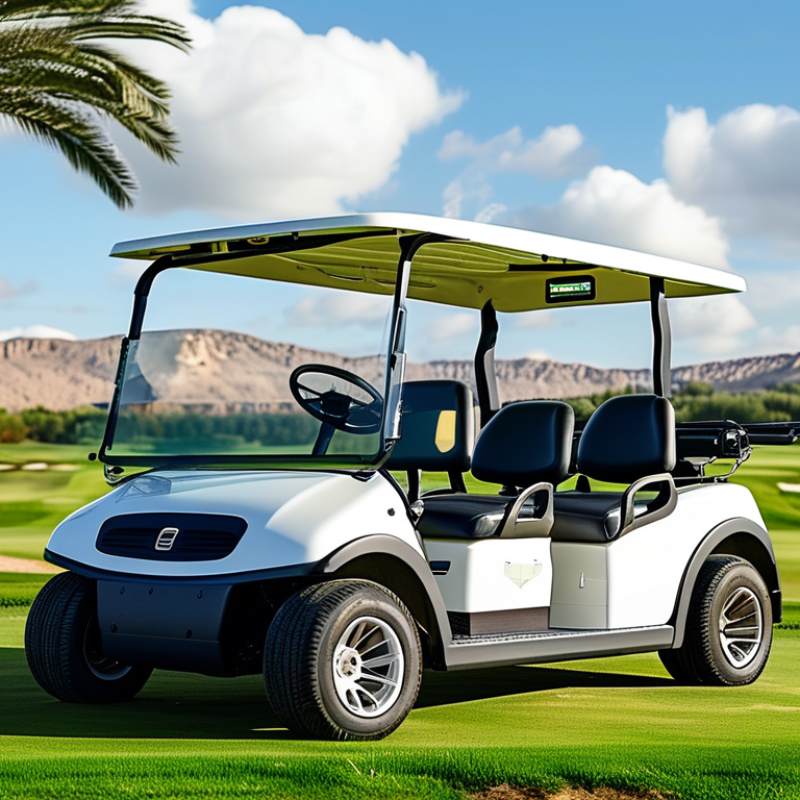
Benefits of Electric Golf Carts for Business Operations
Electric golf carts are increasingly popular for various business operations. They offer several benefits, making daily tasks more efficient. One major advantage is their eco-friendliness. Unlike traditional gas-powered vehicles, electric carts produce zero emissions. This aligns with many companies’ sustainability goals.
Cost savings are another significant factor. Electric carts require less maintenance than gas models. Businesses can save on fuel costs as well. Charging an electric cart is often cheaper than filling a tank. Additionally, many businesses find that these carts enhance productivity. Employees can easily navigate large properties. This saves time and increases efficiency in daily tasks.
Tips for choosing the right electric golf cart include evaluating your specific needs. Consider the terrain and distance your staff will travel. Look into the weight capacity for transporting goods or passengers. It’s also wise to check the warranty and service options. This ensures your investment is protected and provides peace of mind. Keep in mind that not all models may suit your business needs. Test-driving multiple options can lead to better decision-making.
Environmental Advantages of Using Electric Golf Carts
Electric golf carts have gained popularity for their benefits, particularly in environmental sustainability. These carts produce zero emissions, which is crucial for improving air quality. By reducing greenhouse gases, they contribute to combat climate change. Businesses adopting electric carts demonstrate a commitment to eco-friendly practices that resonate with customers.
Many towns and golf courses have implemented electric carts to minimize noise pollution. Unlike gas-powered alternatives, electric models run quietly, enhancing the leisure experience. This feature allows wildlife and nature to thrive, creating a harmonious environment. However, the reliance on charging stations can raise concerns. Accessibility to power sources is an ongoing issue for some users.
Electric golf carts also lead to lower operational costs over time. Maintenance expenses are typically reduced due to fewer moving parts. While they require an initial investment, the long-term savings can be significant. Businesses need to weigh these benefits against potential challenges, such as battery life and range. Adopting electric carts can transform operations, but thoughtful planning is essential for success.
Cost-Effectiveness: Maintenance and Energy Savings
Electric golf carts are becoming a popular choice for businesses. A crucial factor is their cost-effectiveness. According to a study by the Electric Drive Transportation Association, electric vehicles typically have a lower total cost of ownership by nearly 40% when compared to gasoline-powered options. This figure highlights the long-term savings that businesses can achieve by switching to electric golf carts.
Maintenance costs further enhance their appeal. Electric carts require less maintenance than traditional gas models. There are no oil changes, fewer moving parts, and reduced wear and tear. The average maintenance cost of an electric golf cart is about $300 per year, while gas carts can reach upwards of $1,000. This significant difference adds up, especially for companies with a fleet of vehicles.
Energy savings also contribute to overall cost efficiency. Electric golf carts consume less energy than gas-powered models. According to the U.S. Department of Energy, the average cost of electricity is $0.13 per kilowatt-hour, while gasoline prices can fluctuate widely. By reducing energy consumption and relying on electric power, businesses can better manage their operating expenses. Embracing electric golf carts is not only an environmental choice but also a financially savvy one that encourages businesses to rethink their transportation needs.
Why Choose Electric Golf Carts for Your Business Needs? - Cost-Effectiveness: Maintenance and Energy Savings
| Feature | Electric Golf Carts | Gas Golf Carts |
| Initial Cost | $5,000 - $10,000 | $7,000 - $12,000 |
| Maintenance Cost (Annual) | $300 - $600 | $500 - $1,000 |
| Energy Cost (Per Charge/Fuel) | $1 - $2 | $5 - $10 |
| Lifespan (Years) | 5 - 7 | 3 - 5 |
| Environment Impact | Low emissions | Higher emissions |
| Fuel Efficiency | 100% electric | 12 - 15 miles per gallon |
Versatility: Applications in Various Business Settings
Electric golf carts offer remarkable versatility across various business settings. These vehicles are not just for golf courses. They are increasingly utilized in urban parks, large resorts, and even airports. A report from Grand View Research indicates that the global electric golf cart market is projected to grow at a CAGR of 5.6% from 2021 to 2028. This growth highlights their practical applications in the corporate world.
In a college campus setting, electric carts transport students and staff efficiently. They alleviate congestion and reduce carbon footprints. Some campuses report a 30% decrease in traditional vehicular traffic after adopting electric carts. In large warehouses, logistics companies use them to navigate narrow aisles quickly. This practice enhances productivity. However, it is essential to consider charging station availability when implementing these carts. Many businesses have faced setbacks due to insufficient infrastructure. Emphasizing planning will lead to smoother operations.
Various companies use electric golf carts for event logistics. They can shuttle guests between venues, improving accessibility. Yet, some business owners may overlook maintenance needs. Neglect can lead to short lifespans and increased costs. Regular checks and updates are vital for long-term benefits. Electric carts can indeed elevate business operations when used thoughtfully.
Enhancing Customer Experience with Electric Golf Carts
Electric golf carts can significantly enhance customer experience in various business settings. Many hotels, resorts, and large event venues utilize these carts to offer quick and convenient transportation. A recent report indicates that 70% of guests prefer using electric golf carts rather than walking, especially in sprawling landscapes. This not only saves time but also allows for a more enjoyable exploration of the venue.
Moreover, electric golf carts contribute to sustainability. As businesses aim to reduce their carbon footprint, these vehicles present a greener option. According to the National Golf Foundations, electric carts produce 50% less greenhouse gas than gas-powered alternatives. This environmentally friendly aspect attracts eco-conscious customers, enhancing their overall experience and loyalty to the brand.
However, relying solely on electric carts can pose challenges. Maintenance and charging infrastructure must be robust to avoid disruptions. Businesses must ensure availability during peak times. Customer feedback should be collected regularly to address any concerns about wait times or battery life. Balancing efficiency with reliability is essential for a seamless experience.


