How to Choose the Best Spinning Machine for Your Business?
Choosing the right spinning machine can be a pivotal decision for textile businesses. As the global demand for high-quality fabrics rises, selecting a reliable machine becomes essential. According to the Textile Machinery Association, nearly 70% of productivity in textile manufacturing depends on the efficiency of these machines. This statistic underscores the significance of making an informed choice.
Industry expert Dr. Emily Chen emphasizes, “Investing in advanced Spinning Machines can significantly enhance output and product quality.” Her insights point to the necessity of evaluating features such as technology, capacity, and durability. However, navigating the options can be overwhelming. Many businesses may overlook essential factors and invest in machines that don’t match their specific needs.
In a rapidly evolving market, keeping pace with technological trends is vital. Balancing cost with quality is often a struggle for manufacturers. They must ask themselves if they prioritize initial investment or long-term returns. Reflecting on these aspects can lead to better decision-making regarding spinning machines that suit their operational goals.
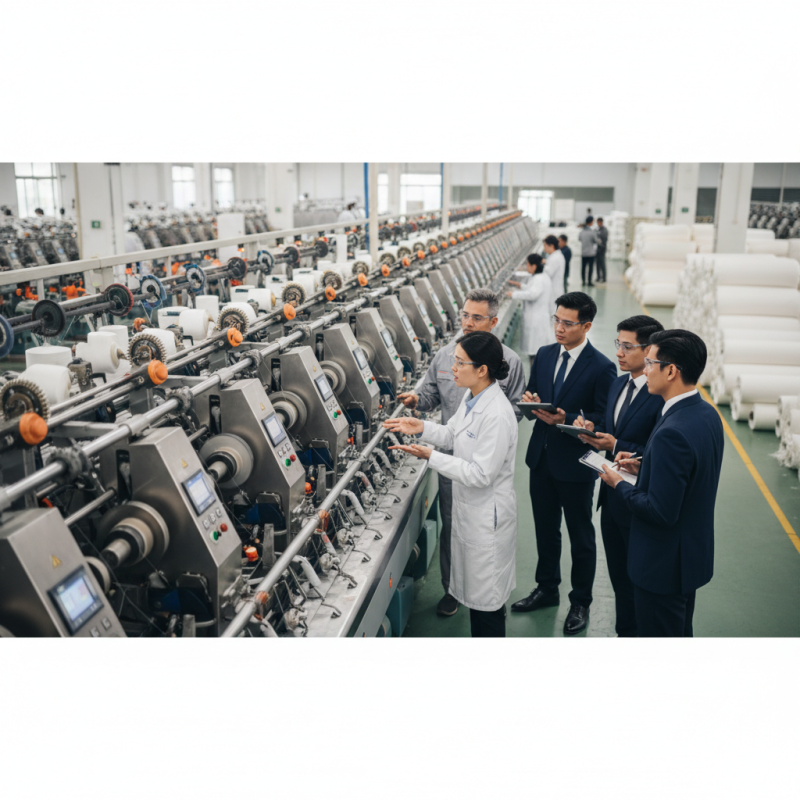
Understanding Your Business Needs for Spinning Machines
Choosing the right spinning machine for your business hinges on understanding your specific needs. Every industry has unique demands. The textile sector, for instance, requires machines that can handle different fiber types. A report by Textile World indicates that companies using multifaceted spinning technologies report a 20% increase in production efficiency.
Consider the volume of production. If your business aims for mass production, select machines that offer higher output rates. According to the International Textile Manufacturers Federation, spinning machines with automatic features can reduce labor costs by up to 30%. This can significantly impact your bottom line in competitive markets.
Think about the skill level of your workforce. Advanced machines may require skilled operators. This can lead to additional training costs. Reflect on the balance between machine sophistication and operator capability. Pay attention to maintenance requirements as well. Frequent breakdowns can lead to unexpected downtime. A strategy that includes regular maintenance can mitigate such risks, ensuring smoother operations. This dual focus on needs and capabilities helps align your investment with your overall business goals.
How to Choose the Best Spinning Machine for Your Business?
| Machine Type | Production Capacity (kg/h) | Power Consumption (kW) | Features | Price Range (USD) |
| Ring Spinning Machine | 50-100 | 15-20 | High Efficiency, Low Noise | $10,000 - $25,000 |
| Open-End Spinning Machine | 40-80 | 10-15 | Robust Design, Easy Maintenance | $8,000 - $20,000 |
| Jet Spinning Machine | 30-60 | 20-25 | High Yarn Quality, Energy Saving | $15,000 - $30,000 |
| Compact Spinning Machine | 60-120 | 18-22 | Compact Design, High Output | $12,000 - $28,000 |
Types of Spinning Machines and Their Applications
When selecting a spinning machine, understanding the types available is crucial. Spinning machines primarily fall into two categories: ring spinning and rotor spinning. Ring spinning machines offer high-quality yarn production, ideal for fine fabrics. They account for nearly 60% of the global yarn market, according to recent industry reports. In contrast, rotor spinning machines are better suited for coarse yarns and are more efficient for bulk production.
Understanding the applications of these machines can guide your decision. For instance, ring spinning is often preferred in the textile industry for producing durable, high-count yarns. Rotor spinning, with its capability to handle shorter fibers, is favored in the production of low-cost textiles. Each machine type brings specific advantages, reflecting unique operational requirements.
Tip: Consider the fiber type your business mainly works with. This is critical for maximizing production efficiency. Choosing a machine that aligns with your core materials can lead to better output quality.
Many businesses overlook energy consumption when selecting spinning machines. Efficient models can significantly reduce operational costs. An ideal spinning machine not only matches production needs but also aligns with sustainability goals. Keep these factors in mind when making your choice.
Key Features to Consider When Choosing a Spinning Machine
Choosing the right spinning machine is vital for your business's efficiency and productivity. Various key features can significantly impact the performance of these machines. One critical feature is the spindle speed. A higher spindle speed often leads to finer yarns, which can enhance fabric quality. For instance, spindle speeds above 20,000 RPM can produce top-quality textile products.
Another essential aspect is the machine's automation level. Automated machines reduce labor costs and enhance consistency. According to a report by the International Textile Manufacturers Federation (ITMF), businesses that invest in automated spinning machines see productivity gains of up to 30%. This can make a substantial difference in competitive markets.
Furthermore, energy efficiency is increasingly important. Machines that consume less power can lower operational costs. The Cotton Incorporated report highlights that energy-efficient models can reduce energy consumption by more than 15%. However, these machines often have higher initial costs, leading some businesses to hesitate in making the investment. Balancing cost against long-term savings requires careful thought and planning.
Comparison of Key Features of Spinning Machines
Comparing Brands and Models for Quality and Performance
When selecting a spinning machine for your business, comparing brands and models is crucial for achieving quality and performance. The textile industry reports that 70% of production costs are tied to the efficiency of spinning machines. A machine's capabilities can significantly impact both output and material usage. Understanding specifications is key. Look for machines with advanced automation features. These can enhance productivity by up to 30%, reducing labor costs.
Tips for choosing wisely: Always check the energy efficiency rating. Machines that consume less energy can save significant operational costs. Consult technical reviews and user feedback. Real-world experiences provide insights into long-term reliability. A machine that excels on paper might not perform well in practice.
Be aware that not all machines are created equal. Some may excel in speed but compromise on quality. This can lead to higher reject rates in production. Research indicates that 15% of businesses face quality issues due to unsuitable machines. Evaluating your unique production needs is essential. Make decisions based on data, not just marketing claims.
Budgeting: Cost Considerations and Return on Investment
When choosing a spinning machine, budgeting is critical. The initial cost can range significantly based on machine type and features. According to industry reports, businesses can expect to pay between $15,000 and $100,000 for a machine. This wide range reflects machine capabilities, efficiency, and brand reputation. Understanding the long-term return on investment (ROI) is essential for informed decisions.
Analyzing operational costs is necessary. Power consumption, maintenance, and material waste impact overall expenses. Data indicates that businesses can increase productivity by up to 20% with technology advancements in spinning machines. However, investing in high-tech options often requires a larger upfront budget. Companies may face challenges if their choice leads to over-investment without a clear strategy for output and demand.
Consider the depreciation of machinery as well. A spinning machine's value typically decreases over time. Many companies report a depreciation rate of 10-15% annually. This factor affects the overall financial calculus. Budgeting for a spinning machine should include not only the purchase price but also these hidden costs. Balancing initial costs and future profitability requires careful planning.


