How to Choose the Best DC High Pressure Pump for Your Needs?
Choosing the right Dc High Pressure Pump can be more challenging than it seems. Many factors influence your decision. It’s crucial to understand your specific needs. For instance, consider the application of the pump. Some use it for cleaning, while others need it for industrial processes.
The size and power of the pump matter too. A pump that is too small may not meet your demands. Conversely, an oversized pump can lead to inefficiencies. Research various brands and models. This will help you gauge their reliability and performance. User reviews can provide insights, but be cautious of biased opinions.
Understanding the technical specifications is essential. Factors like flow rate, pressure range, and energy efficiency play a significant role. You may initially find some aspects overwhelming. Don't hesitate to seek expert advice. Being well-informed leads to better choices. The right DC High Pressure Pump can significantly enhance productivity and reduce operational costs.
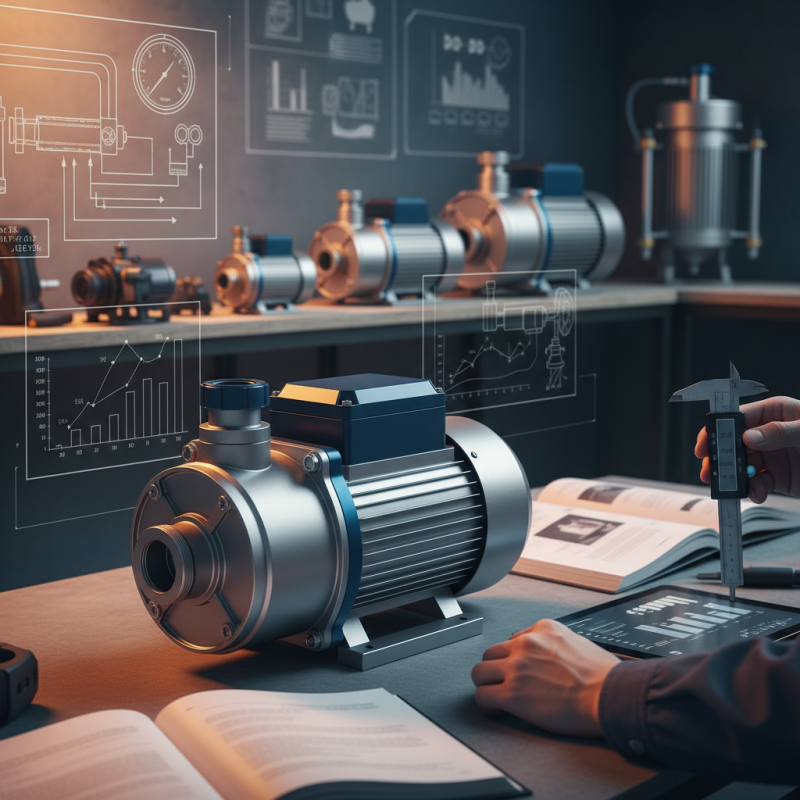
Understanding the Basics of DC High Pressure Pumps
When choosing a DC high pressure pump, understanding its basics is crucial. These pumps use direct current to operate, making them efficient for various applications. They are commonly used in automotive, aerospace, and agricultural sectors. According to the Hydraulic Institute, these pumps can achieve pressures exceeding 3000 psi, which is vital for tasks requiring precision and power.
One key aspect to consider is flow rate. It varies based on the pump’s design and application. The average flow rate ranges from 1 to 5 gallons per minute (GPM), although higher rates are possible. Additionally, assess the materials used, as this affects durability and resistance to corrosion. Many pumps utilize robust materials like stainless steel and reinforced plastics, promoting longevity.
Tips: Before making a selection, consult technical data sheets for performance specifications. This ensures compatibility with your system. Always evaluate the operating environment. High temperatures or abrasive substances can drastically impact pump performance. Remember, not all pumps are suitable for high-pressure environments. Understanding your unique needs can mitigate risks and enhance performance.
DC High Pressure Pump Specifications Comparison
This chart illustrates the specifications of a typical DC high pressure pump, showcasing various important factors such as flow rate, maximum pressure, power consumption, weight, and noise level. These metrics are crucial for selecting the best pump based on your specific needs.
Identifying Your Specific High Pressure Pump Requirements
When choosing a DC high-pressure pump, understanding your specific needs is vital. Consider the required pressure and flow rate for your application. Different tasks demand varying levels of performance. For instance, washing vehicles may require lower pressure, while other industrial applications may need significantly higher outputs.
Next, assess the medium you will be pumping. Is it water, oil, or a chemical solution? The pump materials must withstand these substances. Some pumps may corrode over time when exposed to harsh chemicals. Additionally, consider the environment in which the pump will operate. Extreme temperatures and wet conditions can affect performance and durability.
Don’t overlook the importance of energy efficiency. Some pumps consume more energy than others. A more efficient pump may have a higher upfront cost but save money over time. It’s also important to explore the availability of replacement parts and service. Ensure that support is accessible in case you encounter issues. It’s crucial to think about potential challenges in your selection process. Each choice comes with trade-offs. Reflecting on these factors will lead to a more informed decision.
Evaluating Pump Performance Specifications and Features
When selecting a DC high pressure pump, understanding performance specifications is crucial. Key metrics include flow rate, pressure range, and efficiency. For instance, a reputable industry report states that pumps with a flow rate exceeding 5 GPM often deliver optimal performance in demanding applications. However, higher flow rates can sometimes lead to increased wear, reducing the pump's lifespan.
Pressure ratings also play a significant role. A pump rated for 150 PSI may suffice for general use, but high-demand scenarios might require models exceeding 200 PSI. Many professionals often disregard this, prioritizing lower costs over necessary specifications. A focus on efficiency is vital, with many modern pumps achieving over 80% efficiency, thus minimizing energy consumption and heat generation. This can significantly impact operational costs.
It’s important to evaluate the materials used in construction. Pumps made of stainless steel or high-grade plastics are more resistant to corrosion. This can ensure longevity in harsh environments. Ultimately, balancing these specifications with your specific needs may prevent costly mistakes in the future. Understanding your application can lead to clearer decisions.
How to Choose the Best DC High Pressure Pump for Your Needs?
| Pump Model | Max Pressure (psi) | Flow Rate (GPM) | Power (W) | Weight (lbs) | Material |
| Model A | 1500 | 5.0 | 750 | 25 | Stainless Steel |
| Model B | 2000 | 7.0 | 1000 | 30 | Aluminum |
| Model C | 2500 | 6.5 | 1200 | 28 | Plastic |
| Model D | 1800 | 4.0 | 600 | 20 | Bronze |
| Model E | 2200 | 8.0 | 950 | 32 | Carbon Steel |
Comparing Different Brands and Models in the Market
Choosing the right DC high-pressure pump requires careful consideration of various brands and models available in the market. Industry reports suggest that performance is not the only factor; energy efficiency plays a crucial role. In fact, pumps with higher efficiency ratings can reduce operational costs by up to 20%. This can lead to significant savings over time, especially for large-scale operations.
When comparing brands, look at performance metrics, energy consumption, and customer reviews. Some models may boast high pressure but consume excessive energy. Reports from industry experts indicate that a balance of pressure, flow rate, and energy use is essential. Many users overlook warranty and service availability. A model with limited service support can lead to frustrating downtimes.
Tips: Always evaluate whether the specifications meet your specific requirements. Consider the intended application, whether it's for irrigation, cleaning, or industrial processes. Check what users have said; their feedback can highlight both strengths and weaknesses of a model. Lastly, think about future scalability. Opting for a model that easily adapts to increased demand could save costs later.
Considering Maintenance and Support Options for Longevity
When choosing a DC high pressure pump, considering maintenance and support options is crucial for ensuring long-term performance. Regular maintenance can prevent breakdowns and extend the pump's lifespan. Knowing what tasks to prioritize can make a difference. You’ll save both time and money in the long run.
Tips: Schedule routine check-ups to monitor wear and tear. Inspect seals and bearings regularly. These small actions can help catch potential issues early. Additionally, learn the basic troubleshooting techniques for your pump type. Understanding its operation helps identify when professional help is needed.
Access to reliable support is another key factor. Work with a supplier who provides clear guidance and effective customer service. Research their reputation. Are their technicians qualified? You can gain insights from reviews and testimonials. Choose a provider that offers comprehensive service options, including training and repair assistance. It is vital for your operation's efficiency and reliability.


