In today's competitive market, businesses constantly seek efficiency and cost savings. An Automated Storage System can play a pivotal role in achieving these goals. According to a report by MarketsandMarkets, the automated storage and retrieval system market is expected to grow from $6.65 billion in 2020 to $10.25 billion by 2026, with a notable CAGR of 7.3%. This growth highlights the increasing adoption of automation across various industries.
Implementing an Automated Storage System can reduce space requirements and improve order accuracy. Studies indicate that businesses can enhance picking accuracy by up to 99% by using automated solutions. This level of precision minimizes errors and enhances customer satisfaction. However, reliance on technology can introduce challenges. System failures or technical glitches can disrupt operations, prompting the need for robust contingency plans.
Furthermore, questions arise regarding initial investment costs versus long-term savings. While Automated Storage Systems can significantly lower labor costs, upfront expenses remain a concern for many businesses. Evaluating the return on investment is crucial for decision-making. Careful consideration of these factors will enable businesses to determine whether an Automated Storage System aligns with their operational objectives and financial strategies.
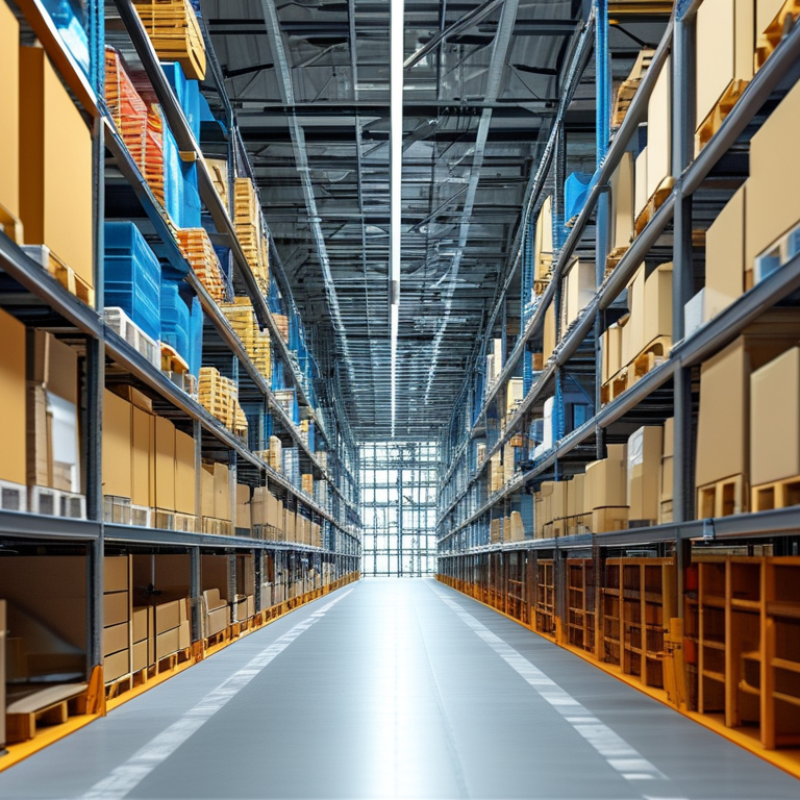
Automated storage systems are transforming the landscape of warehouse management. One key benefit is increased efficiency. These systems can retrieve items quickly, reducing the time workers spend searching for products. This automation leads to faster order fulfillment, a critical factor in today’s fast-paced market.
Cost savings also play a significant role. By optimizing space and reducing labor costs, businesses can see substantial returns on their investment. Additionally, these systems minimize error rates during order picking. When mistakes happen, they can be costly. An automated system ensures accuracy and consistency.
However, implementing such technology is not without challenges. Companies must consider initial costs and ongoing maintenance. Training staff to use new systems may take time. As businesses weigh the benefits, it’s important to reflect on these potential hurdles. Balancing efficiency gains with practical concerns is crucial for successful integration.
Automated storage solutions have gained traction in various industries. They streamline operations and improve efficiency. Different types cater to diverse business needs, from simple storage systems to complex robotic solutions.
Mobile shelving systems are popular for smaller spaces. They use compact design, maximizing storage capacity. This flexibility can be crucial for businesses with limited floor area. Automated vertical lifts are another option. They allow for quick retrieval and optimize vertical space.
Robotic storage and retrieval systems are cutting-edge. They use advanced technology for precision. While they require significant investment, the potential for increased productivity is substantial. However, businesses must assess their specific needs carefully. Over-investment in unnecessary automation could lead to challenges. Choosing the right automated solution requires consulting with experts in the field. Balancing cost and efficiency is key in making an informed decision.
Automated storage systems are revolutionizing the way businesses operate. They enhance efficiency by streamlining inventory management. A study by the Warehouse Education and Research Council found that companies implementing automation can increase picking accuracy by around 99%. This precision directly impacts productivity, allowing staff to focus on higher-value tasks.
In addition to accuracy, automated systems significantly reduce retrieval time. For instance, a recent analysis indicated that organizations could save up to 60% in time when accessing stored items through automation. Imagine the operational flow when your team can locate and process items quickly. Yet, the transition to automation may not be seamless. Companies might face initial resistance as employees adapt to new technologies.
Moreover, the integration of these systems can seem daunting. Training staff and overhauling existing processes require time and investment. Not every automation solution fits all business types. Evaluating specific needs is crucial before committing to a system. While many successfully benefit from automation, assessing potential pitfalls is essential.
Automated storage systems can drastically reduce costs for businesses. According to a report by the Material Handling Institute, companies can save up to 30% on labor costs by implementing these systems. This efficiency frees up resources that can be redirected toward growth initiatives. In a competitive landscape, companies cannot afford to overlook such savings.
Initial investment remains a concern for many. Automated systems can be expensive to install. However, studies suggest they pay for themselves within a few years due to lower operational costs. The Warehouse Education and Research Council reported that businesses experience a 50% reduction in order picking times with automation. This translates into faster delivery and higher customer satisfaction.
Maintenance costs are another area to consider. While automated systems require upkeep, careful planning can mitigate these expenses. Companies often face unexpected repairs that strain budgets. Regular assessments and staff training can minimize these risks. By analyzing the cost-benefit ratio continually, businesses can ensure that automation remains a profitable endeavor.
When selecting an automated storage system, consider a few best practices to ensure a good fit for your business. Understanding your storage needs is crucial. Assess your inventory size and turnover rate. This insight can guide you in choosing the right system type and size.
Tips: Think about flexibility. Your needs may change over time. An adaptable system can grow with your business. Also, consider user-friendliness. An intuitive interface reduces training time and helps employees work efficiently.
Evaluate the technology behind the systems. Look for reliable software that integrates with your existing operations. A seamless connection can enhance productivity. However, do not overlook potential hidden costs. Maintenance and training expenses may arise, impacting your budget.
Reflect on your specific workflow. Different systems might impact operations in unexpected ways. Getting feedback from your team is vital. They will provide input on how the system interacts with daily tasks. This perspective can unveil challenges you might not anticipate.
| Cookie | Duration | Description |
|---|---|---|
| cookielawinfo-checkbox-analytics | 11 months | This cookie is set by GDPR Cookie Consent plugin. The cookie is used to store the user consent for the cookies in the category "Analytics". |
| cookielawinfo-checkbox-functional | 11 months | The cookie is set by GDPR cookie consent to record the user consent for the cookies in the category "Functional". |
| cookielawinfo-checkbox-necessary | 11 months | This cookie is set by GDPR Cookie Consent plugin. The cookies is used to store the user consent for the cookies in the category "Necessary". |
| cookielawinfo-checkbox-others | 11 months | This cookie is set by GDPR Cookie Consent plugin. The cookie is used to store the user consent for the cookies in the category "Other. |
| cookielawinfo-checkbox-performance | 11 months | This cookie is set by GDPR Cookie Consent plugin. The cookie is used to store the user consent for the cookies in the category "Performance". |
| viewed_cookie_policy | 11 months | The cookie is set by the GDPR Cookie Consent plugin and is used to store whether or not user has consented to the use of cookies. It does not store any personal data. |