China Best Fass Fuel Heater Manufacturer?
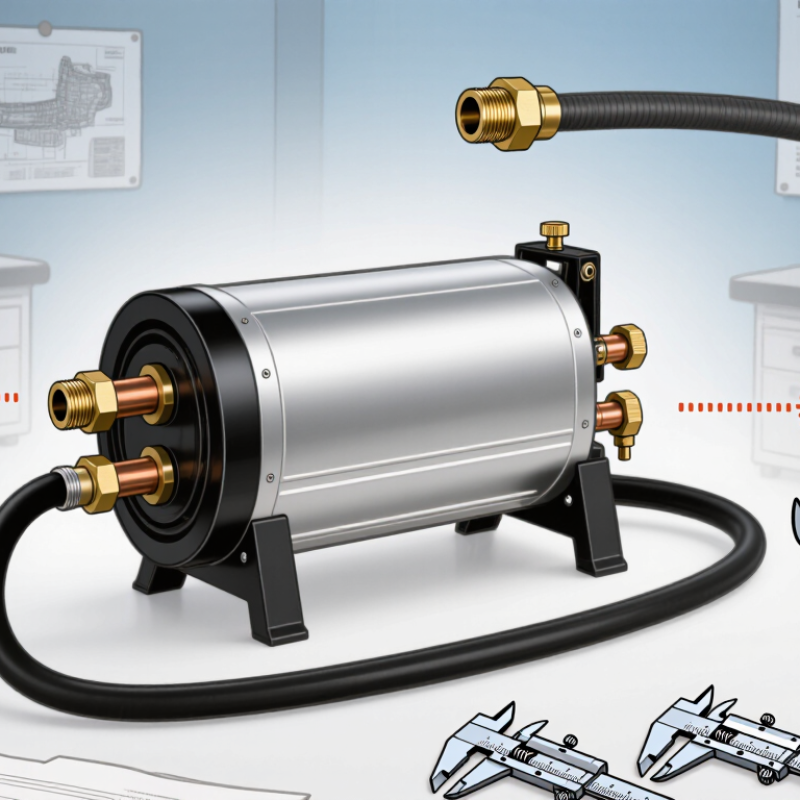
Choosing the China Best Fass Fuel Heater Manufacturer? Start with the equipment, not the sales pitch. A fuel heater must suit the fuel system, operating climate, available space, and vehicle or machinery setup. Small details matter: hose diameter, connector placement, mounting clearance, and access for routine service. A neat product photo proves little.
A dependable supplier should explain how its Fass Fuel Heater is designed and tested. Ask for clear specifications, material details, installation guidance, and evidence of quality checks. Confirm whether the heater has been evaluated under conditions relevant to your application, such as cold starts and repeated heating cycles. Request written warranty terms and learn how technical questions are handled after delivery. Good answers should be specific. Vague promises deserve a second look.
Compare manufacturers using the same checklist. Review production experience, sample consistency, communication, lead times, and replacement-part availability. If possible, inspect a sample and check its fittings, finish, labels, and documentation. These practical checks cannot guarantee a perfect purchase. They can expose avoidable gaps. I would also leave room for uncertainty: a factory’s stated capacity does not automatically show how consistently it controls quality. Ask what happens when a unit fails inspection, and request a direct explanation rather than a polished slogan. The best choice is not always the lowest-priced offer. It is the supplier that can support its claims with clear records, responsive service, and a heater suited to your actual operating needs.
Fuel-Heater Basics: Diesel Waxing, Cloud Point, and Cold-Flow Performance
Diesel waxing begins when paraffin crystals form as fuel cools. The cloud point marks the temperature where those crystals first become visible; it is not the temperature at which fuel necessarily stops flowing. Cold-flow behavior also depends on fuel blend, filter design, and cooling rate. NREL’s Biodiesel Handling and Use Guide reports that biodiesel cloud points can range roughly from −3°C to 15°C, depending on feedstock. That spread shows why one heater setting cannot suit every fuel.
A fuel heater helps by warming fuel near vulnerable points, especially the filter and pickup. It cannot reliably fix unsuitable winter fuel or a blocked filter. Check cloud point and cold-filter-plugging-point data for the actual fuel, then compare them with the vehicle’s operating conditions. A heater may improve startup, but results depend on installation and heat reaching the right area. Small details matter.
Tips: Keep a thermometer near the filter during cold tests. Confirm the heater’s power supply and temperature control, and inspect connections for wear. Treat cloud point as a warning, not a complete performance rating; real-world testing can still surprise you.
Define System Fit: 12/24 V Supply, Flow Rate, and Fuel Type
A fuel heater fits only when its electrical, hydraulic, and fuel limits match the vehicle. Confirm whether the system uses 12 V or 24 V, then check startup current and voltage drop at the heater connector. A matching voltage label is not enough. Compare the heater’s rated flow under stated test conditions with the fuel system’s required supply rate. Port size alone does not prove flow capacity. Cold fuel and restrictive filters can affect performance, so verify the rating at a relevant temperature.
Fuel compatibility matters too. The U.S. Department of Energy’s Alternative Fuels Data Center lists petroleum diesel at 128,488 Btu per gallon and B20 at 127,250 Btu per gallon. These are energy-content figures, not proof that a heater supports a particular blend. Check the heater’s technical documentation for approved fuel types and blend limits. A common catalog gap is missing test temperature; ask for it before comparing flow figures.
Tips: Confirm voltage at the installation point, not just at the battery. Check the wiring and fuse against the heater instructions. I would still verify the numbers on the actual vehicle, since installation details can change the result.
China Best Fass Fuel Heater Manufacturer? Define System Fit: 12/24 V Supply, Flow Rate, and Fuel Type
Compare representative air-delivery ranges by heater output class. These are general planning figures, not specifications for a particular product.
System fit: Match the heater’s rated input to your vehicle’s 12 V or 24 V DC supply; these voltages are not interchangeable unless the unit is designed for both. Airflow depends primarily on heater output and design. Use only the fuel types specified for the selected heater—diesel is common, while kerosene compatibility must be confirmed in the product documentation.
Check Fuel Compatibility: ASTM D975 S15 Limits Sulfur to 15 mg/kg
ASTM D975 S15 identifies diesel fuel with a maximum sulfur content of 15 mg/kg, roughly 15 parts per million by mass. That limit is useful when checking fuel for a heater, but it is not a complete compatibility test. Sulfur content alone does not confirm the fuel’s cold-weather flow, cleanliness, or water level. A label can answer one question, not every question.
Before connecting a fuel supply, compare the heater manual with the fuel grade shown on the delivery record. Confirm that the equipment accepts the fuel’s specification and expected operating temperature. Cold mornings can expose problems that remain hidden in a warm storage tank. A clean filter and drained water separator also help protect steady fuel flow. Small details matter.
A clear sample is reassuring, but appearance cannot verify sulfur content. Use supplier documentation or appropriate testing when the specification is uncertain. If the heater struggles after a fuel change, check the filter, lines, and fuel condition before assuming the heater itself has failed. These checks are not perfect; I would not treat one quick visual inspection as proof of compatibility. Keep the records with the maintenance notes.
Assess Quality Controls: IATF 16949 and SAE J1455 Test Evidence
When comparing a China-based fuel heater manufacturer, treat IATF 16949 as evidence of a quality management system, not a product guarantee. Request a current certificate and check its site, scope, and expiry date. The listed location should match the factory making the heater. Details matter.
For SAE J1455, ask for reports linked to the exact heater model and configuration under review. Check which tests were performed, such as vibration, temperature cycling, humidity, or electrical disturbances. The report should identify test conditions, acceptance limits, sample details, and results. A pass mark alone is thin evidence. Ask whether the tested unit used the same wiring, connectors, and mounting arrangement as the production version.
Traceability connects paperwork to real units. Review how the manufacturer records incoming component checks, assembly inspections, and final electrical tests. Ask how failed samples are investigated and whether corrective actions can be shown without exposing confidential customer data. One gap is easy to miss: a report may cover a similar model, not the one you plan to buy. A neat document can still leave questions. I would verify the configuration before treating the test result as relevant. That extra check takes time, but it makes a supplier comparison more grounded.
Compare Chinese Manufacturers by Verified Data, Traceability, and Warranty
Comparing Chinese fuel heater manufacturers takes more than polished catalog pages. Request test records linked to the exact model and production date. A useful report states heat output, fuel consumption, startup conditions, and ambient temperature. Check whether testing was internal or independently verified. The distinction matters. A graph without its test conditions offers little confidence.
Traceability should connect the heater’s serial number to production records, inspection results, and component batches. Ask for a sample record with sensitive commercial details removed. Then check whether the supplier can explain how a fault would be traced. Keep the records. One well-documented sample is helpful, but it does not prove every production run is consistent. I would treat it as evidence, not a guarantee.
Read warranty terms alongside the test data. Confirm the coverage period, excluded parts, claim process, and who pays for replacement shipping. Ask how quickly a claim is acknowledged, and request the answer in writing. That is useful. If warranty wording is vague, request a specific example of a covered failure. Some paperwork may still leave questions; note those gaps rather than assuming they will be resolved later.


