In today's rapidly evolving electrical industry, the demand for reliable and efficient indoor load switches is at an all-time high. The global market for these devices is projected to reach $7 billion by 2025, driven by the need for advanced energy management solutions. As a key player, a leading Indoor Load Switch Factory in China stands out for its commitment to quality and innovation.
Companies sourcing from this factory benefit from cutting-edge technology and stringent quality control. With over 15 years of experience, this manufacturer provides a range of products designed for different applications. Their indoor load switches are known for durability and performance. Yet, challenges remain in meeting the diverse needs of clients worldwide.
Supplier reliability plays a crucial role in sourcing strategies. A reputable Indoor Load Switch Factory not only ensures product quality but also offers insights into industry trends. Evaluating potential partners can be complex. It's essential to reflect on the specific requirements of your projects while considering the capacity for customization.
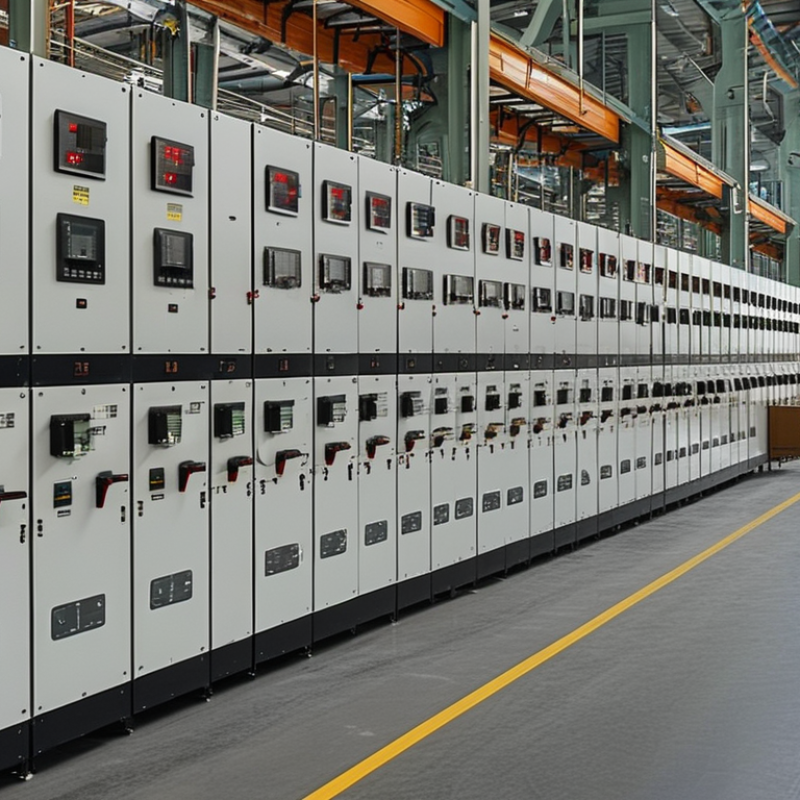
China has emerged as a powerhouse in the global indoor load switch market. With a market share of approximately 30% in 2022, its dominance is driven by rapid industrialization and technological advancements. Industry reports indicate that this market is projected to grow at a compound annual growth rate (CAGR) of 6.5% over the next five years, highlighting the increasing demand for efficient load management solutions across various sectors.
Several factors contribute to China's strong position. The country benefits from a robust supply chain and cost-effective manufacturing capabilities. Local factories are equipped with advanced technologies, which allows for the production of high-quality products. However, quality assurance remains a concern. Some manufacturers might prioritize production speed over reliability, leading to inconsistencies in product performance. This calls for a reevaluation of sourcing strategies for international buyers looking for sustainability and durability in their electric components.
Moreover, while China leads in production volumes, it faces challenges related to environmental regulations and export restrictions. Such factors could hinder growth or disrupt supply in the future. Understanding these dynamics is crucial for global stakeholders aiming to navigate the complexities of sourcing indoor load switches from China.
Indoor load switches play a crucial role in electrical distribution systems. China's manufacturing sector offers advanced solutions, meeting global demands. According to a recent industry report, approximately 40% of indoor load switches used worldwide are produced in China. This figure highlights China's significant influence in this field.
Key features of these switches include high reliability, compact design, and enhanced safety measures. Manufacturers utilize high-quality materials and adopt stringent quality control protocols. This is reflected in the improved performance metrics, with failure rates dropping to below 1% for many models. However, even with such advancements, concerns over counterfeit products remain prevalent within the market.
Another notable point is the integration of smart technologies. Indoor load switches in China often include IoT capabilities. This allows for real-time monitoring and automation. Yet, while these features enhance functionality, they also raise questions about cybersecurity risks. Ensuring protection against hacking is vital as the industry evolves.
Indoor load switches are essential components in electrical systems. They manage and protect circuits by interrupting power flow. As demand for efficient energy management increases, China has emerged as a leading hub for manufacturing these devices. Various industry reports indicate that the indoor load switch market in China is expected to grow steadily. For instance, the overall market size is projected to reach USD 1.5 billion by 2025, with a compound annual growth rate (CAGR) of around 8%.
Chinese manufacturers are known for their ability to produce high-quality indoor load switches at competitive prices. They utilize advanced technology and adhere to international standards. Many factories have modern production lines equipped with automated systems. These facilities can ensure consistent quality while meeting large orders efficiently. However, some manufacturers still face challenges, such as the need for better research and development practices and potential inconsistencies in product standards.
Collaboration between manufacturers and international buyers is crucial for innovation. Venturing into this market requires due diligence to find reliable partners. Companies should prioritize manufacturers with strong certifications and proven track records. It can be tricky to assess quality from a distance. Engaging with multiple sources can provide more insights. This careful approach can help buyers make informed decisions in the competitive landscape of indoor load switches.
When sourcing load switches from China, quality standards play a crucial role. The Chinese load switch industry adheres to various international certifications. ISO 9001 is a common benchmark for quality management. This ensures that manufacturers maintain high standards in their production processes. Additionally, compliance with safety certifications like CE and UL is vital for market entry. These certifications provide assurance about the reliability and safety of the products.
Tips: Always check for valid certifications before placing orders. This step can save you from potential losses. Engage with suppliers who can provide documents proving their compliance with these standards.
Examining product warranties and customer reviews is essential. Even top factories can face quality issues. Understanding a factory's track record helps in assessing their reliability. Reach out to other buyers for insights on their experiences. When evaluating potential suppliers, keep a close eye on their response times and communication.
Tips: A responsive supplier often indicates a commitment to quality. Consider conducting factory audits. This practice can verify their adherence to the stated standards.
| Factory Location | Production Capacity (units/month) | Quality Standards | Certifications | Lead Time (weeks) |
|---|---|---|---|---|
| Shenzhen | 50,000 | ISO 9001 | CE, RoHS | 4 |
| Shanghai | 30,000 | ISO 14001 | UL, CCC | 6 |
| Guangzhou | 80,000 | ISO 45001 | TUV, CB | 3 |
| Beijing | 25,000 | ISO 50001 | FCC, RoHS | 5 |
The indoor load switch market in China is witnessing transformative trends. As energy efficiency becomes paramount, manufacturers are adapting to meet stringent regulations. According to a recent market report by Research and Markets, the global indoor load switch market is predicted to grow at a CAGR of 4.5% over the next five years. This growth is driven by the increasing demand for smart grid technologies.
China's production methods are evolving. Automation and artificial intelligence are now prevalent in manufacturing processes. However, challenges remain. Many factories still rely on outdated technology, impacting efficiency and quality. Reports suggest that improving worker training can bridge this gap. Investing in education is crucial for adapting to new production standards.
Tips: Consider investing in automation technology. This could elevate your production quality. Regularly assess your supply chain to ensure compliance with environmental guidelines. Embracing sustainability is not just ethical; it’s becoming a market demand. Watch the pulse of industry changes to stay competitive.
| Cookie | Duration | Description |
|---|---|---|
| cookielawinfo-checkbox-analytics | 11 months | This cookie is set by GDPR Cookie Consent plugin. The cookie is used to store the user consent for the cookies in the category "Analytics". |
| cookielawinfo-checkbox-functional | 11 months | The cookie is set by GDPR cookie consent to record the user consent for the cookies in the category "Functional". |
| cookielawinfo-checkbox-necessary | 11 months | This cookie is set by GDPR Cookie Consent plugin. The cookies is used to store the user consent for the cookies in the category "Necessary". |
| cookielawinfo-checkbox-others | 11 months | This cookie is set by GDPR Cookie Consent plugin. The cookie is used to store the user consent for the cookies in the category "Other. |
| cookielawinfo-checkbox-performance | 11 months | This cookie is set by GDPR Cookie Consent plugin. The cookie is used to store the user consent for the cookies in the category "Performance". |
| viewed_cookie_policy | 11 months | The cookie is set by the GDPR Cookie Consent plugin and is used to store whether or not user has consented to the use of cookies. It does not store any personal data. |