When exploring insulation options, the "High Density Rubber Foam Insulation Tube" stands out. This material offers superior thermal performance. Its density contributes to effective temperature control in various applications. Many industries rely on this solution for energy efficiency and safety.
Quality matters when selecting insulation products. The right supplier can make a significant difference. Buyers must consider factors like durability and installation ease. Not all products meet high standards. This is where research becomes essential.
Choosing the best high-density insulation requires careful thought. Read user reviews and verify certifications. Engaging with experts can provide valuable insights. Recognizing potential drawbacks is equally important. It's a journey that demands attention to detail.
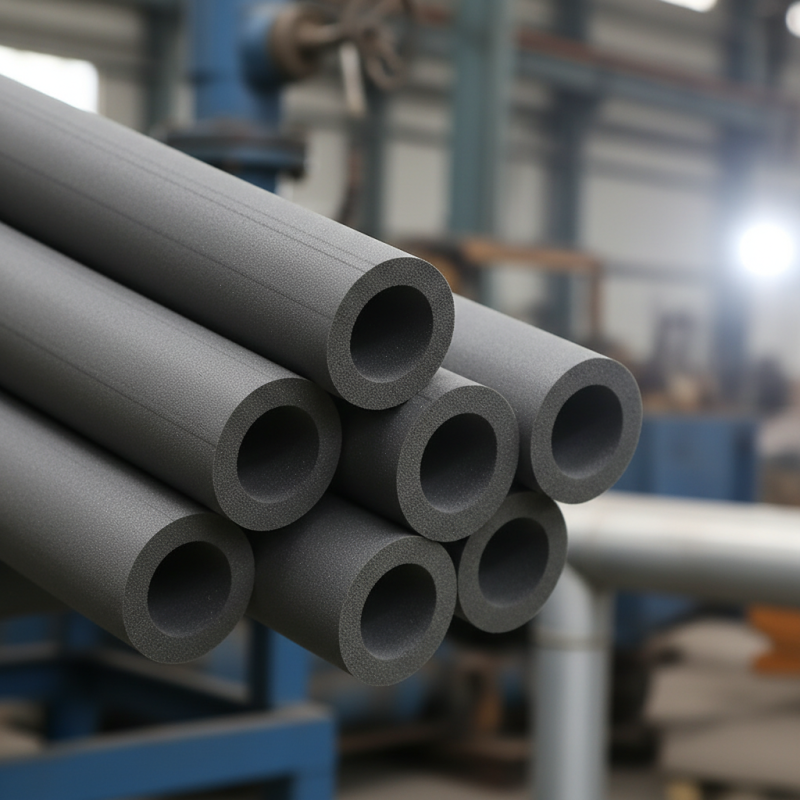
In recent years, high-density rubber foam insulation tubes have gained popularity in China due to their superior thermal and acoustic properties. These tubes are designed to provide effective insulation for pipes and ducts, helping to reduce energy loss. Their lightweight yet durable nature makes them suitable for various applications, from HVAC systems to industrial piping.
The manufacturing process of these tubes is a key factor in their quality. China has several manufacturers that adhere to strict production standards. However, the inconsistency in quality among various suppliers can be a concern. Some products may not meet expected performance levels, leading to potential energy inefficiencies. Buyers should be cautious and verify the credentials of manufacturers before making a purchase.
Moreover, while high-density rubber foam insulation tubes are effective, they may not be the best fit for every project. In some cases, alternative insulation materials could offer better performance or cost savings. It is essential for buyers to assess their specific needs and consider all available options. Engaging with experts who understand the nuances can provide valuable insights, guiding informed decisions in insulation solutions.
| Dimension (mm) | Density (kg/m³) | Thermal Conductivity (W/m·K) | Temperature Range (°C) | Application |
|---|---|---|---|---|
| 25 x 13 | 90 | 0.034 | -50 to 110 | HVAC Systems |
| 32 x 10 | 95 | 0.036 | -40 to 110 | Refrigeration |
| 40 x 20 | 100 | 0.038 | -50 to 120 | Industrial Pipes |
| 50 x 25 | 110 | 0.040 | -40 to 130 | Construction Insulation |
| 60 x 30 | 120 | 0.042 | -40 to 140 | Piping Systems |
High-density rubber foam insulation is essential in many industries. Its closed-cell structure provides excellent thermal insulation. According to industry data, high-density rubber foam can achieve thermal conductivity values as low as 0.037 W/mK. This makes it a preferred choice for HVAC systems and refrigeration applications.
One of the key benefits is its flexibility. It is easy to install, adapting to various shapes and sizes. This versatility reduces the need for additional fittings and joints. Additionally, high-density rubber foam is resistant to moisture and mold, which is crucial for maintaining air quality. Reports indicate that the material can reduce energy consumption by up to 15% in insulated environments, showcasing its efficiency.
Cost considerations cannot be overlooked. While high-density rubber foam may have a higher upfront cost, its durability leads to long-term savings. The material’s lifespan can exceed 20 years if properly installed. However, potential buyers should evaluate the trade-offs. Factors like installation environment and existing systems can influence performance. Balancing initial investment with future savings is critical for informed decision-making.
High-density rubber foam insulation is widely used across various industries due to its excellent thermal and acoustic properties. This material effectively reduces energy loss in HVAC systems, automotive applications, and industrial pipelines. It maintains performance in extreme temperatures, making it suitable for diverse environments.
In the construction sector, high-density rubber foam insulation provides soundproofing benefits. It can minimize noise transmission between rooms. Additionally, its flexibility allows for easy installation around pipes and structural elements. This adaptability ensures a tighter fit, reducing gaps that may compromise insulation effectiveness.
The automotive industry also benefits greatly from this insulation. It helps dampen vibrations and noise within vehicles. However, users should consider the foam's longevity and susceptibility to environmental factors. Continuous research and development are necessary to improve durability and performance. This will ensure that high-density rubber foam insulation meets evolving industry standards and consumer expectations.
When choosing high-density rubber foam insulation tubes, several factors should be weighed carefully. First, consider thermal performance. According to a recent industry report, materials with a thermal conductivity rating of 0.035 W/mK or lower offer effective insulation. This can lead to a significant energy-saving potential, reducing heating and cooling costs by up to 30%.
Another important factor is flexibility and durability. High-density rubber foam provides superior flexibility, allowing it to fit snugly around pipes and fittings. Industry studies show that insulation tubes that can withstand temperatures up to 100°C have a longer lifespan, often exceeding 15 years in various applications. However, buyers should be cautious not to opt for cheaper products, as they may compromise on quality and safety.
Safety ratings are also crucial. Insulation materials must meet specific fire safety standards. Look for products with a low flame spread index. Reports indicate that materials with a flame spread index of 25 or less are considered safe for residential use. Balancing these considerations ensures that you choose a high-density rubber foam insulation tube that is not just effective but also reliable in the long run.
High density rubber foam insulation is gaining traction among buyers in China. This material excels in thermal and acoustic insulation, making it ideal for various applications. According to industry reports, the demand for rubber foam insulation is expected to grow by 5% annually. The construction and HVAC sectors are major consumers, driving innovation and efficiency.
Top suppliers in China focus on quality and sustainable production. A recent analysis indicated that over 70% of buyers prioritize eco-friendly materials. Manufacturers invest in advanced technology to ensure consistent product quality. Many companies seek certifications to enhance credibility. However, some suppliers struggle to meet strict environmental standards, raising questions about compliance and transparency.
Choosing a reliable supplier involves assessing production methods and material sourcing. Many buyers find it challenging to navigate the market's complexity. Reports show that 60% of buyers emphasize long-term partnerships over short-term gains. Establishing trust can significantly impact purchasing decisions. As the market evolves, continuous improvement and innovation will shape the industry's future.
| Cookie | Duration | Description |
|---|---|---|
| cookielawinfo-checkbox-analytics | 11 months | This cookie is set by GDPR Cookie Consent plugin. The cookie is used to store the user consent for the cookies in the category "Analytics". |
| cookielawinfo-checkbox-functional | 11 months | The cookie is set by GDPR cookie consent to record the user consent for the cookies in the category "Functional". |
| cookielawinfo-checkbox-necessary | 11 months | This cookie is set by GDPR Cookie Consent plugin. The cookies is used to store the user consent for the cookies in the category "Necessary". |
| cookielawinfo-checkbox-others | 11 months | This cookie is set by GDPR Cookie Consent plugin. The cookie is used to store the user consent for the cookies in the category "Other. |
| cookielawinfo-checkbox-performance | 11 months | This cookie is set by GDPR Cookie Consent plugin. The cookie is used to store the user consent for the cookies in the category "Performance". |
| viewed_cookie_policy | 11 months | The cookie is set by the GDPR Cookie Consent plugin and is used to store whether or not user has consented to the use of cookies. It does not store any personal data. |