Discover the Best WPC Fence Options for Your Home Today
When considering outdoor aesthetics and durability, WPC Fence options are gaining traction among homeowners. A recent industry report indicates that the demand for composite fencing materials, like WPC, has grown exponentially in recent years. This shift is largely due to their resilience against weather conditions and low maintenance requirements.
WPC Fence not only enhances the visual appeal of a home but also offers impressive longevity. Research shows that WPC materials can last over 25 years with proper care. This durability is a critical factor for homeowners seeking long-term solutions for boundary management. However, some homeowners may overlook the initial installation costs associated with WPC products. It's essential to weigh these costs against the long-term benefits.
Moreover, the eco-friendly nature of WPC fencing is noteworthy. Many options contain recycled materials, making them a sustainable choice. Yet, it is vital to choose reputable manufacturers to ensure quality. Selecting the right WPC Fence can be overwhelming, but the advantages are clear. This guide aims to simplify the process and highlight the best options available today.
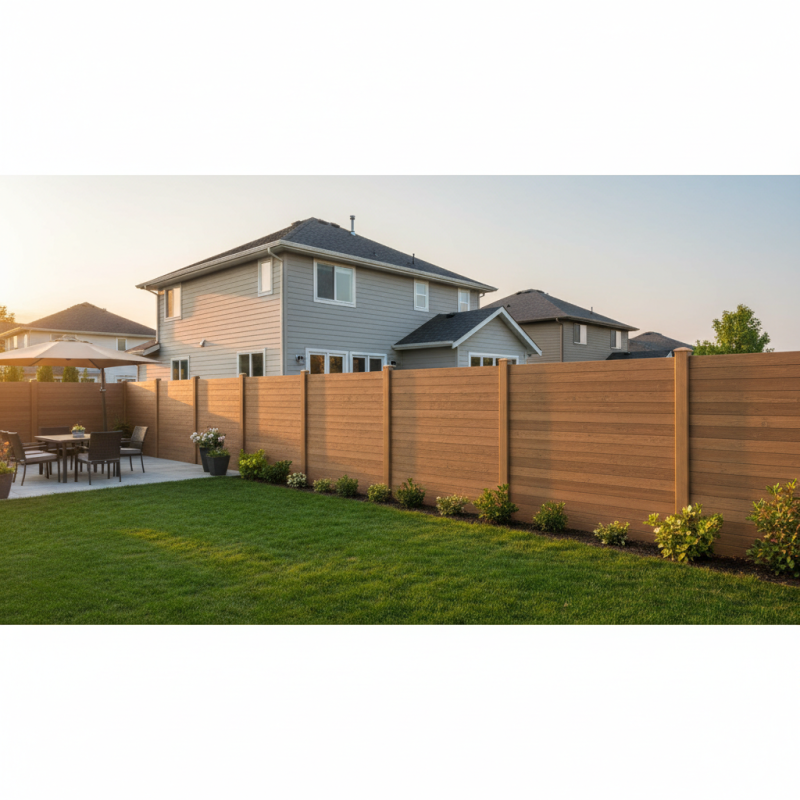
Understanding WPC Fencing: Definition and Key Features
WPC fencing, or wood-plastic composite fencing, is gaining popularity among homeowners. It combines the beauty of wood with the durability of plastic, making it a smart choice for long-lasting outdoor solutions. According to a recent industry report, the global WPC market is projected to grow at a CAGR of 10.5% from 2023 to 2030. This growth reflects increasing consumer awareness about sustainable materials and the importance of durability in fencing options.
Key features of WPC fencing include its resistance to rot, insects, and fading. This makes it particularly suitable for various weather conditions. A significant advantage is its minimal maintenance requirements compared to traditional wood fences. However, some users report challenges with installation and initial cost. Reflecting on this, prospective buyers should ensure they factor in long-term savings and environmental impacts.
When considering WPC fencing, evaluate your local climate and soil conditions. These elements can affect the longevity of the fence. Also, research the warranties from different manufacturers, as coverage varies. Pay attention to the material composition; a higher wood content typically offers a more natural appearance but may require more maintenance.
Advantages of WPC Fencing: Durability, Aesthetics, and Maintenance
WPC fencing has gained popularity due to its numerous advantages. One significant benefit is its durability. Unlike traditional wood, WPC does not warp, rot, or splinter easily. This material can withstand harsh weather conditions. Homeowners appreciate the longevity it offers, requiring fewer replacements over time. Regular maintenance is minimal, which is a huge plus for busy families.
Aesthetically, WPC fencing provides a modern appeal. It comes in various colors and finishes. This versatility allows homeowners to achieve the desired look for their property. The ability to mimic natural wood adds charm without the drawbacks. However, some may find the initial investment higher compared to wood. It’s essential to weigh the long-term benefits against the upfront costs thoughtfully.
Maintenance is simplified with WPC. Occasional cleaning with soap and water keeps it looking fresh. Unlike wood, it doesn’t need staining or painting. This low upkeep is attractive to many, though some might miss the authentic wood texture. Reflecting on personal preferences is crucial when deciding on fencing materials. Balancing aesthetics, durability, and maintenance will lead to a well-informed choice.
Advantages of WPC Fencing
Comparative Analysis: WPC Fencing vs Traditional Wood Fencing
WPC (Wood Plastic Composite) fencing has steadily gained popularity as a practical alternative to traditional wood fencing. According to a report by Freedonia Group, WPC products are expected to grow by over 10% annually, driven by their durability and low maintenance costs. In contrast, traditional wood fencing can rot, warp, and require regular staining or painting, making it less reliable over time.
One major advantage of WPC fencing is its resistance to the elements. Unlike wood, WPC does not splinter, making it safer and more comfortable to handle. Additionally, it does not require the same level of maintenance, allowing homeowners to save both time and money. However, installation costs for WPC may be higher initially compared to wood. This factor is worth considering when budgeting for your fencing project.
Tips: Evaluate your long-term needs carefully before making a decision. Consider local climate conditions, as they will influence the longevity of your fence. Many homeowners regret not factoring in future maintenance needs. While WPC gives you design flexibility, it’s essential to understand that colors might fade over time. Look for warranties that cover color retention and durability.
Top Brands in WPC Fencing: Market Leaders and Their Offerings
When considering WPC (Wood Plastic Composite) fencing, choosing a top brand can make a significant difference. Many market leaders offer a range of products that combine durability and aesthetics. These WPC fences mimic the look of real wood but are more resistant to weather, insects, and decay. They come in various colors and finishes, allowing for personalized home styling.
Popular brands often emphasize sustainability in their offerings. They use recycled materials in their products, promoting an eco-friendly approach. However, some may not fully disclose the environmental impact of their manufacturing processes. It's crucial for homeowners to research these aspects. Reading reviews and testimonials can provide insights into product performance and longevity.
WPC fencing options are typically easy to install. Still, some users may find them challenging without professional help. It's worth reflecting on your DIY skills before committing. Many top brands provide supportive resources, such as installation guides and customer service. Users should weigh these factors against their personal needs and local climate conditions. This balanced approach can lead to a satisfactory and informed fencing choice.
Discover the Best WPC Fence Options for Your Home Today
| Fence Type | Height (ft) | Color Options | Warranty (Years) | Estimated Cost ($/ft) |
| Horizontal Slat | 6 | Black, Brown, White | 20 | 45 |
| Privacy Fence | 6 | Grey, Beige | 25 | 50 |
| Picket Fence | 4 | White, Light Brown | 15 | 30 |
| Vinyl Look Fence | 5 | Tan, Slate | 30 | 55 |
| Composite Deck Fence | 6 | Mocha, Cedar | 20 | 65 |
Cost Analysis: Investment vs Longevity of WPC Fencing Solutions
WPC fencing offers a unique blend of aesthetics and durability. Many homeowners seek long-lasting solutions for their properties. However, understanding the cost versus longevity is essential. WPC fences typically require a higher initial investment compared to traditional wood options. This can be daunting for budget-conscious buyers. On the other hand, the longevity of WPC fencing often makes it a wise investment.
Longevity can vary based on environmental conditions and maintenance routines. A well-installed WPC fence might last over 25 years. This durability often translates to savings in replacement costs. However, not every WPC product performs equally. Some fences may fade or warp if exposed to extreme conditions. It's crucial to consider the specific materials used and the manufacturing standards.
Homeowners should weigh the upfront costs against the potential long-term benefits. A thorough analysis can reveal surprising insights. Investing in quality materials may lead to fewer repairs and replacements down the line. It’s important to reflect on personal needs and local climate factors when making this decision. Finding the right balance can lead to satisfaction for years to come.


