
Choosing a reliable Steel Casing Pipe supplier requires more than comparing prices or browsing polished websites. Global buyers must examine manufacturing capacity, steel grades, thread quality, inspection systems, and delivery performance. A casing failure can damage drilling schedules, increase installation costs, and compromise well integrity. Small details matter, including thread protectors, mill certificates, coating consistency, and packaging for sea transport.
Dr. George E. King, a respected petroleum engineer and well-integrity specialist, has said, “Casing design is not simply a pipe-selection exercise; it is a well-integrity decision.” This principle guides our review. The suppliers selected for this list are assessed through practical purchasing criteria, including API compliance, dimensional control, traceability, production experience, and export support. Their ability to provide clear technical documents also matters. So does their response after the purchase.
The best supplier is not always the cheapest one. Sometimes, a slightly higher quotation reflects better inspection, stronger logistics, or more dependable technical support. That difference can prevent expensive delays at the jobsite. However, no ranking is perfect. Buyer priorities vary by formation pressure, operating environment, pipe size, and project location. A supplier suitable for a deep oil well may not suit a water-well contractor. This guide offers a practical starting point for global buyers seeking dependable Steel Casing Pipe partners. Check every claim carefully. Request current certificates, sample inspection records, and written delivery terms before placing an order.
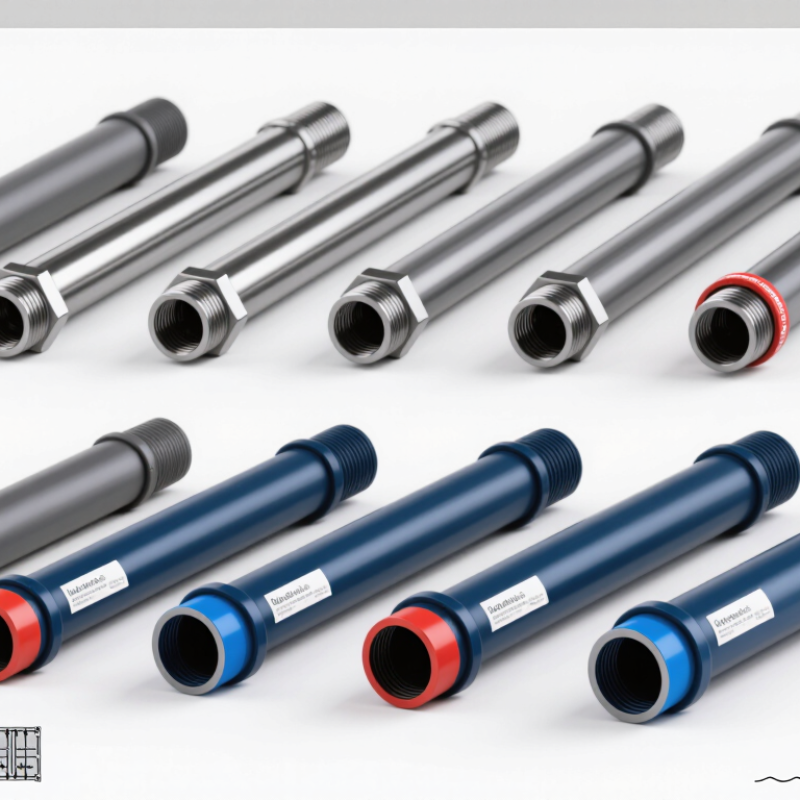
Steel casing pipe supports well integrity by stabilizing boreholes and isolating underground formations. Buyers should understand grades, outside diameter, wall thickness, thread type, and collapse resistance before comparing suppliers. The World Steel Association reported 1.89 billion tonnes of crude steel production in 2023. However, that figure does not prove casing-pipe availability or quality.
Global buyers should request mill test certificates, heat numbers, dimensional records, hydrostatic test results, and nondestructive examination reports. API Specification 5CT and ISO 11960 provide widely used requirements for casing and tubing. Local regulations may require additional documentation, approved materials, or independent inspection. The USGS Mineral Commodity Summaries 2024 estimated global iron ore mine production at about 2.5 billion metric tons in 2023. Raw material volume is impressive, but traceability still matters more than headline capacity.
Tips: Confirm grade and connection compatibility with the drilling design. Check thread protectors, packing, coating, and moisture control before shipment. Ask for a complete inspection plan. A perfect spreadsheet is not proof. Suppliers sometimes provide attractive certificates with incomplete heat-level records. Buyers should verify the issuing laboratory and inspect random pipes before loading. This step costs money, yet one failed casing string can create far greater delays, safety risks, and replacement costs.
| Rank | Supplier Profile | Typical Product Scope | Common Manufacturing Route | Applicable Standards | Key Buyer Requirements | Recommended Verification Documents |
|---|---|---|---|---|---|---|
| 1 | Large-Diameter Longitudinal-Welded Pipe Supplier | Steel casing for trenchless crossings, road bores, utility conduits, and structural sleeves. | Formed steel plate or coil with a longitudinal submerged arc weld. | ASTM A252, ASTM A53, API 5L, EN 10219, or project-specific specifications. | Large outside diameter, controlled wall thickness, roundness, straightness, and weld quality. | Mill test certificate, dimensional report, weld inspection records, and material traceability. |
| 2 | Spiral-Welded Casing Pipe Supplier | Long-length casing for utility, drainage, piling, and underground construction applications. | Helically formed steel strip with continuous or submerged arc welding. | ASTM A252, ASTM A139, EN 10217, EN 10219, or approved engineering specifications. | Consistent helical weld quality, end squareness, ovality control, and load capacity. | Welding procedure qualification, non-destructive testing results, coating records, and inspection plan. |
| 3 | Electric-Resistance-Welded Pipe Supplier | Small- and medium-diameter casing, sleeve pipe, and general-purpose underground conduit. | Cold-formed strip joined by high-frequency electric resistance welding. | ASTM A53, ASTM A500, EN 10219, ISO 3183, or project requirements. | Reliable seam integrity, uniform dimensions, suitable steel grade, and acceptable hydrostatic performance. | Chemical analysis, tensile test results, hydrostatic test report, and production inspection records. |
| 4 | API-Oriented Line Pipe and Casing Supplier | Casing and pipe for oilfield, gas, industrial, and high-demand infrastructure projects. | Seamless, ERW, or submerged arc welded production, depending on diameter and grade. | API 5L, API 5CT where applicable, ISO 3183, and purchaser specifications. | Steel grade, yield strength, impact requirements, thread or end preparation, and inspection level. | API or equivalent quality documentation, heat-number traceability, test certificates, and audit reports. |
| 5 | Structural Steel Pile and Casing Supplier | High-load casing, temporary sleeves, foundation piles, and retaining or support structures. | Hot-rolled, formed-and-welded, or spiral-welded steel pipe production. | ASTM A252, EN 10219, EN 10225, CSA G40.21, or structural project standards. | Axial capacity, bending resistance, wall thickness, weld strength, and pile-driving suitability. | Steel grade certificate, structural calculations, weld inspection results, and dimensional acceptance report. |
| 6 | Coated and Corrosion-Protected Casing Supplier | Casing for wet soil, coastal areas, buried pipelines, and corrosive industrial environments. | Welded or seamless pipe with external paint, fusion-bonded epoxy, polyethylene, or other specified coating. | ISO 21809, ISO 12944, ASTM coating standards, and project corrosion-control specifications. | Surface preparation, coating thickness, adhesion, holiday detection, curing, and repair procedures. | Coating data sheet, surface-preparation report, dry-film-thickness readings, and holiday-test records. |
| 7 | Custom-Dimension Casing Supplier | Non-standard outside diameters, wall thicknesses, lengths, bevels, couplings, and end configurations. | Plate forming, roll forming, ERW, longitudinal welding, or spiral welding. | ASTM, EN, API, CSA, AS/NZS, or an approved project specification. | Drawing approval, dimensional tolerances, minimum order quantity, sample approval, and production repeatability. | Approved shop drawings, inspection and test plan, first-article report, and packing specifications. |
| 8 | Trenchless-Construction Casing Supplier | Pipe for jacking, boring, microtunneling, railway crossings, highways, and utility installations. | Heavy-wall longitudinal-welded, spiral-welded, or seamless steel pipe. | ASTM A252, ASTM A139, EN 10219, ASCE or local trenchless specifications. | Jacking force, buckling resistance, wall thickness, joint design, straightness, and installation length. | Engineering calculations, joint detail drawings, dimensional inspection, weld testing, and load assessment. |
| 9 | International Project-Logistics Supplier | Export-ready casing pipe with cutting, bundling, marking, loading, and documentation services. | Manufacturing route selected according to diameter, grade, quantity, and destination requirements. | Required national or international standard stated in the purchase contract. | Incoterms, port access, export packaging, shipping marks, customs documents, and delivery schedule. | Commercial invoice, packing list, certificate of origin, bill of lading, inspection certificate, and insurance documents. |
| 10 | Third-Party-Inspected Casing Supplier | Casing for government, infrastructure, energy, and other projects requiring independent quality control. | Seamless or welded production with purchaser-approved inspection and testing. | ASTM, API, ISO, EN, CSA, AS/NZS, or contract-specific requirements. | Inspection hold points, witness testing, non-destructive examination, traceability, and nonconformance control. | Third-party inspection release note, complete test dossier, nonconformance reports, and final quality certificate. |


