Best Sewer Jet Cleaning Techniques for Effective Drain Solutions?
The plumbing world is continuously evolving, and one of the most effective techniques is Sewer Jet Cleaning. This method utilizes high-pressure water jets to clear blockages. It's gaining popularity for its effectiveness and eco-friendliness. Unlike traditional methods, this technique removes stubborn debris without harsh chemicals.
Sewer Jet Cleaning offers immediate solutions to drainage issues. Many homeowners rely on it for regular maintenance. By using this technique, you can prevent serious clogs and restore proper flow to your pipes. The high-pressure water can eliminate grease, roots, and other buildup. This proactive approach can save money in the long run.
However, Sewer Jet Cleaning isn't without its challenges. It requires trained professionals to execute properly. Misuse can cause damage to pipes. Always choose a reliable service provider with experience. Ensuring quality and expertise is crucial for long-term results. Ultimately, understanding these cleaning methods can make a significant difference in maintaining your plumbing system.
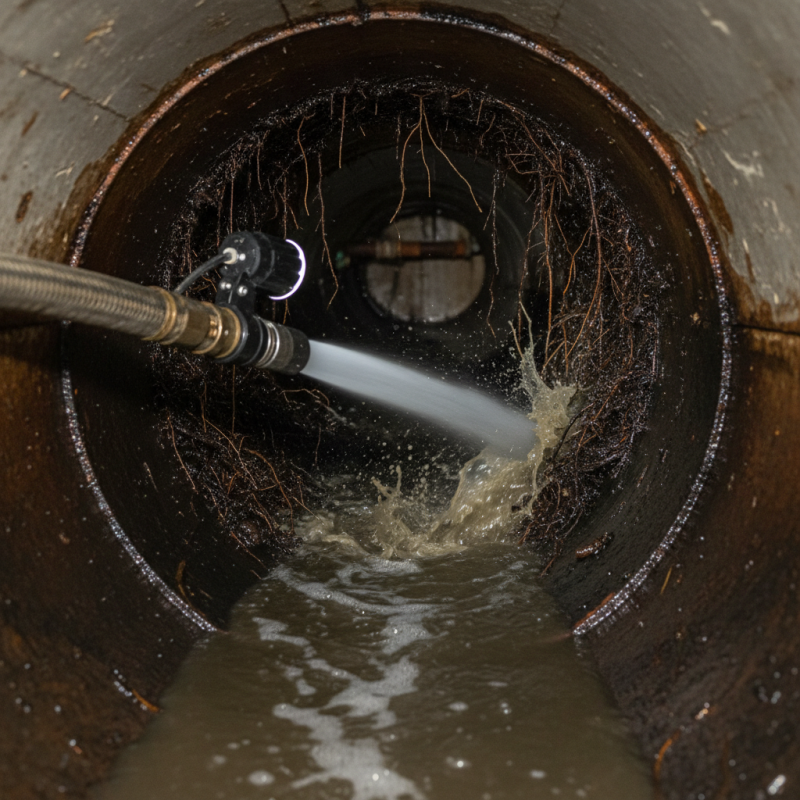
Best Sewer Jet Cleaning Techniques for Effective Drain Solutions
When it comes to sewer jet cleaning, technique is crucial. Effective drain solutions often rely on the right approach. High-pressure water jets are common tools in the industry. Their force can dislodge stubborn blockages. However, not all blockages respond the same way. Some might require a softer touch. Understanding this can make a significant difference.
One effective method is utilizing rotating nozzles. These nozzles can thoroughly clean the pipe walls. They help remove debris and build-up with precision. Another technique involves employing different water pressures. Some sections of the pipes may need high pressure, while others do not. It’s essential to assess the situation before starting the cleaning process. Skipping this step might result in damages or incomplete cleaning.
Indeed, practical experience reveals that preparation is vital. Inspecting the pipes with a camera can provide valuable insights. Yet, not all professionals take this step seriously enough. Investing time in assessment can save money on future repairs. A mindful approach can enhance the effectiveness of sewer jet cleaning.
Understanding the Basics of Sewer Jet Cleaning and Its Benefits
Sewer jet cleaning, also known as hydro jetting, is a powerful method for maintaining drainage systems. This technique uses high-pressure water streams to clear blockages and buildup. According to industry reports, nearly 80% of drainage issues arise from grease, sludge, and tree roots. Jetting effectively removes these obstacles, restoring flow and preventing future problems.
Hydro jetting offers significant advantages over traditional drain cleaning methods. It is non-invasive, causing minimal disruption to your property. This method can penetrate tough clogs, breaking them down efficiently. Moreover, studies indicate that jetting can extend the lifespan of pipes by reducing corrosion, which is crucial for maintaining system integrity.
However, not all blockages respond the same way to jetting. In some cases, the force can cause existing damage to weaker pipes. This calls for careful assessment before proceeding. Professional evaluation is essential to ensure the technique’s effectiveness. The importance of proper equipment and trained technicians cannot be overstated in achieving the best results. Understanding these factors can lead to long-term drainage solutions, combining expertise and reliable practices.
Essential Equipment and Tools for Effective Jet Cleaning
When it comes to sewer jet cleaning, having the right equipment is vital. High-pressure water jetters blast away blockages quickly and efficiently. These machines typically use water at pressures ranging from 1,500 to 4,000 PSI. A qualified technician knows how to adjust the pressure based on the clog's material. This flexibility is essential for effective cleaning.
In addition to the jetter itself, various attachments can enhance the cleaning process. Nozzles come in different shapes and sizes, designed for specific tasks. For example, the rotating nozzle is effective for stubborn clogs. Specialized tools like hose reels and jetting rods are also important. They help to navigate tight bends and reach deep blockages that may not be accessible otherwise.
Operators must have a solid understanding of these tools. Mistakes can lead to incomplete cleaning or damage to the pipes. Proper training ensures they use these tools effectively and safely. Each job can present unique challenges. Reflecting on past experiences can improve future techniques. Embracing learning opportunities is crucial in this industry. Thus, attention to detail and continuous improvement are key for successful sewer jet cleaning.
Best Sewer Jet Cleaning Techniques for Effective Drain Solutions
| Technique | Description | Ideal Use Case | Essential Equipment |
| High-Pressure Jetting | Using high-pressure water to clear blockages | Heavy blockages, root intrusions | Jetting machine, hoses, nozzles |
| Hydro Flushing | Flushing with pressurized water to remove debris | Routine maintenance, minor clogs | Hydro flush system, water supply |
| Rotary Jetting | Jetting system with rotating nozzles for enhanced cleaning | Grease buildup, tough debris | Rotary jet nozzles, jetting machine |
| Chemical Jetting | Use of chemicals in conjunction with jetting for stubborn clogs | Chemical residue, grease | Chemicals, jetting setup |
| CCTV Inspection | Using cameras to assess the condition of pipelines | Pre-cleaning assessment | CCTV camera, monitor |
Step-by-Step Guide to Performing Sewer Jet Cleaning
Sewer jet cleaning can seem daunting, but it can effectively clear stubborn blockages in your drain system. Begin by gathering essential tools: a high-pressure water jetter, safety gear, and a camera. Wearing gloves and eye protection ensures safety during the process. The camera allows for a firsthand view of the pipe interiors, helping identify specific problem areas.
Next, locate the cleanout access point. This opening provides a direct line to the sewer line. Insert the high-pressure water jet nozzle carefully. Adjust the pressure settings based on the blockage severity, but remember, excessive pressure can damage pipes.
Activate the jetter, allowing water to blast through the pipelines. Observe the process. Sometimes, you might need to make multiple passes at different angles.
After you’ve finished jetting, inspect the pipe conditions again with your camera. This helps you gauge the effectiveness of your cleaning efforts. You might find additional issues that require attention. Note any recurring problems, as they may indicate a larger issue.
Regular maintenance is essential to prevent future blockages, so consider scheduling routine checks. Cleaning your sewer responsibly and effectively can save you from future headaches.
Common Challenges in Sewer Jet Cleaning and How to Overcome Them
Sewer jet cleaning is a powerful method to clear stubborn blockages. However, operators often face challenges. These can include uneven pressure, equipment malfunction, or misjudgment of the clog's nature. Understanding these pitfalls is crucial for effective cleaning.
Tips: Regular training for technicians helps in recognizing issues quickly. Familiarity with the equipment can prevent breakdowns during operation.
Another common challenge is debris recoiling back into the sewer line. This can lead to repeated clogs, wasting time and resources. To avoid this, consider using proper protective gear and monitoring the cleaning process closely.
Tips: Always inspect the line post-cleaning. Use cameras for a clear view of the sewer's condition. This can save future headaches and time.
Preventative maintenance is key. An outdated pipe system can complicate the cleaning process. Be mindful of your sewer lines' age and condition.
Conclusion
Sewer jet cleaning is an effective method for maintaining and restoring the functionality of drain systems. This technique utilizes high-pressure water jets to clear blockages, removing debris and buildup efficiently. Understanding the basics of sewer jet cleaning can help homeowners appreciate its benefits, such as improved drainage flow and reduced risk of future clogs. Essential equipment and tools specific to jet cleaning are crucial for its effectiveness, and following a step-by-step guide ensures safety and success during the process.
However, common challenges can arise during sewer jet cleaning, such as navigating complex pipe systems or dealing with stubborn obstructions. Identifying these challenges and implementing strategies to overcome them is key to a successful cleaning operation. Furthermore, maintaining drain systems post-cleaning through regular inspections and preventive measures can enhance longevity and efficacy, ultimately leading to a more seamless plumbing experience.


