2026 Best Reverse Osmosis System for Clean Water Solutions?
Clean water is essential for health and well-being. Choosing the right purification method is crucial. A Reverse Osmosis System is one of the best solutions available today. It effectively removes contaminants and impurities from water. Many families rely on this technology for safe drinking water.
In recent years, the demand for reverse osmosis systems has increased significantly. With various options on the market, selecting the right system can be confusing. Each system varies in quality, features, and effectiveness. This emphasizes the need for careful research and consideration. Make sure to evaluate key factors before making a purchase.
Moreover, understanding your specific water needs is vital. Some systems may not perform well with certain water sources. Regular maintenance is also essential for optimal performance. These factors can impact the reliability of the reverse osmosis system you choose. Evaluating these aspects will help ensure you make an informed decision.
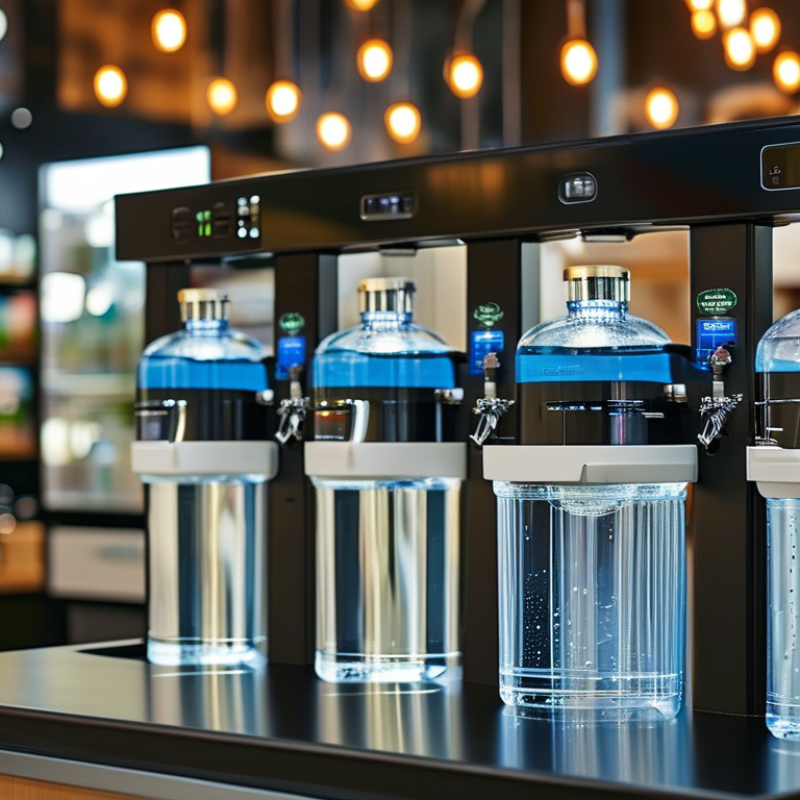
Essential Features of a Reverse Osmosis System
When considering a reverse osmosis (RO) system, essential features play a crucial role in ensuring clean water. A reliable RO system often includes multi-stage filtration. Typically, these systems use 4 to 7 filtering stages. Each stage removes different contaminants. Reports indicate that RO can eliminate up to 99% of impurities, ensuring water purity.
The membrane quality is vital. High-quality membranes facilitate effective filtration while lasting longer. Studies show that a membrane can last 2 to 5 years, depending on water quality and usage. Regular monitoring of the membrane’s performance is essential. Failure to do this may lead to decreased water quality.
Additionally, a good RO system features a storage tank. This tank ensures a steady supply of filtered water. The capacity of the tank can vary, typically ranging from 2 to 4 gallons. It should be noted that larger tanks might require more space and can contribute to some inefficiencies. Regular maintenance and filter changes are necessary to uphold performance. Many homeowners overlook these tasks, leading to subpar water quality over time.
Top Brands for Reverse Osmosis Systems in 2026
When exploring reverse osmosis systems in 2026, several key brands stand out for their reliability and performance. These systems aim to provide clean, safe drinking water through advanced filtration methods. Users appreciate systems that remove contaminants effectively while maintaining essential minerals. Many brands offer multi-stage filtration, enhancing the purification process.
It's important to consider installation and maintenance when choosing a system. Some systems can be complex, requiring professional setup. However, many brands provide user-friendly designs for easier installation. Maintenance schedules also vary, and this affects overall reliability. Regular filter changes are crucial.
Consumers often look for durability and efficiency. Brands that prioritize energy-efficient components typically gain favor. However, not all systems perform equally under diverse conditions. Individual needs can influence which system is the best fit.
Evaluating performance reviews can help, but subjective experiences sometimes lead to inconsistencies. Always conduct thorough research to ensure you select an ideal reverse osmosis system.
Comparative Analysis of Reverse Osmosis vs Other Filtration Methods
When considering water filtration, reverse osmosis (RO) stands out for its effectiveness. According to a report by the Water Quality Association, RO systems can reduce contaminants by over 95%. These systems eliminate harmful substances like lead, arsenic, and certain bacteria. This is significant for anyone seeking clean, safe drinking water.
In contrast, activated carbon filters can only remove some chemicals and improve taste. While they excel in filtering chlorine, they fall short against heavy metals. Data from the Environmental Protection Agency indicates that alone, carbon filters are not sufficient for comprehensive contaminant removal.
Membrane filtration represents another method. It can be efficient for sediment and debris but lacks the thoroughness of RO. A study published by the American Water Works Association highlights that membrane systems might allow smaller contaminants to pass through. While they are useful in certain contexts, they do not match RO’s filtration capacity. Overall, understanding these differences is crucial for making informed choices about water safety and health.
Maintenance Tips for Optimal Performance of RO Systems
Maintaining a reverse osmosis (RO) system is crucial for ensuring clean water. Regular upkeep not only extends the lifespan but also boosts efficiency. According to a report by the Water Quality Association, improper maintenance can lead to a 50% drop in performance over time. It's easy to overlook certain components, which can result in less effective filtration.
One key maintenance tip is to change the filters and membranes at recommended intervals. Generally, pre-filters should be replaced every 6-12 months, while the RO membrane might last 2-3 years. Failing to replace these parts can cause contaminants to build up, undermining the system's effectiveness. Inspection is essential. A visual check can identify leaks or unusual sounds, which might signal a larger problem.
Cleaning the storage tank is another often-neglected aspect. Sediment can accumulate over time. Regular cleaning ensures the purity of the water stored. Studies indicate that unmaintained tanks can harbor bacteria. This poses health risks to your household. Keeping a maintenance schedule and monitoring performance can significantly enhance the reliability of your RO system.
Water Purification Efficiency of Reverse Osmosis Systems
This chart illustrates the water purification efficiency of different reverse osmosis systems based on their efficiency rates in removing contaminants. The data represents average percentages of common contaminants removed, such as chlorine, lead, and total dissolved solids (TDS).
Environmental Impact of Reverse Osmosis Technology
Reverse osmosis (RO) technology is a widely used method for purifying drinking water. However, its environmental impact warrants careful consideration. A 2020 study by the Water Research Foundation highlighted that reverse osmosis systems generate a significant amount of brine, or concentrated waste. This brine can pose risks to aquatic ecosystems if improperly disposed of.
The energy consumption associated with RO systems is another concern. According to the International Desalination Association, these systems can use up to 3-8 kilowatt-hours per cubic meter of water processed. This high energy requirement can contribute to greenhouse gas emissions, especially in regions reliant on fossil fuels for power generation.
Tips: Always explore water-saving technologies alongside RO systems. Investigate local regulations on brine disposal. Consider renewable energy sources to power your RO system for a greener approach.
While reverse osmosis provides a solution for accessible clean water, the environmental cost cannot be ignored. Finding a balance between clean water solutions and their ecological consequences is vital. More research is needed to minimize the drawbacks of this technology.


