Best Power Transformer Solutions for Global Buyers?
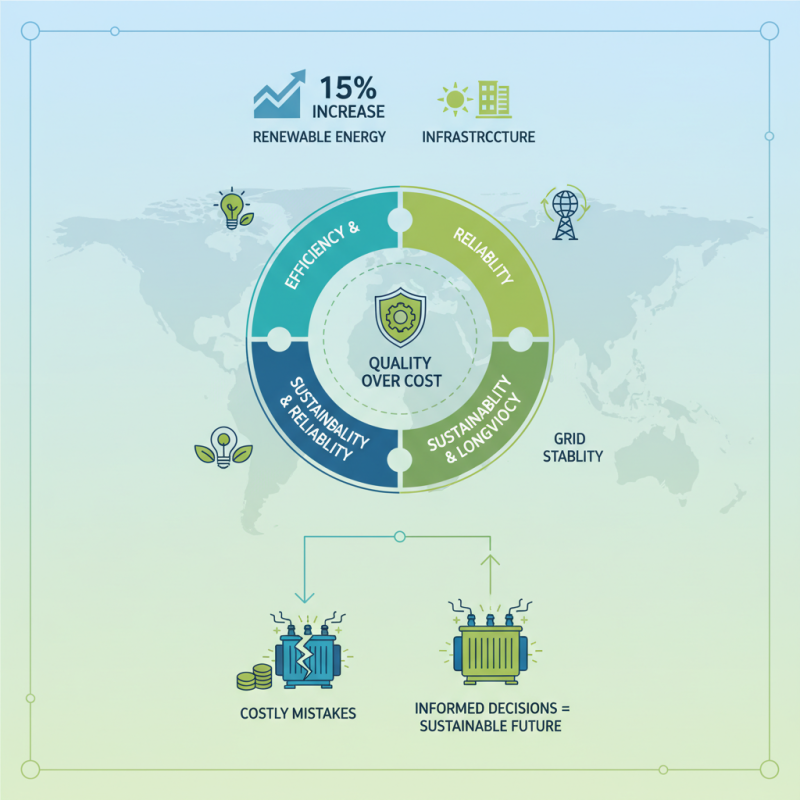
In the rapidly evolving energy sector, global buyers face challenges in selecting the best Power Transformer solutions. According to the "Global Power Transformer Market Analysis Report 2023," the demand for efficient and reliable transformers has increased by 15% in the last year. This growth is driven by renewable energy projects and infrastructural upgrades worldwide. As energy needs grow, choosing the right Power Transformer is not just a matter of cost; it’s crucial for sustainability and reliability.
Industry expert Dr. Emily Hart, a leading analyst at Energy Insights, states, "Investing in high-quality Power Transformers is key to ensuring grid stability." This insight highlights the importance of quality over price in the competitive market. Buyers must consider not only initial investment but also the long-term operational costs and environmental impact of their choices.
While the market offers a range of solutions, not all Power Transformers are created equal. Variability in performance, efficiency, and maintenance needs can lead to costly mistakes. Reflecting on this, buyers should prioritize reliability and expert recommendations. In a world where energy demands surge, informed decisions will shape a sustainable future.
Overview of Power Transformers and Their Importance in Energy Systems
Power transformers play a crucial role in transmission and distribution systems. They ensure voltage levels are suitable for efficient energy transfer. According to the International Energy Agency (IEA), power transformers are vital for connecting renewable energy sources to the grid, enabling a cleaner energy transition.
These transformers convert high voltage to lower levels for safe use. They enhance system reliability and stability. The global power transformer market is projected to grow from USD 23.6 billion in 2021 to USD 31.5 billion by 2026, representing a CAGR of 6.1%. This trend highlights the increasing demand for efficient systems amidst growing energy needs.
However, not all transformers meet high standards. Variability in design and manufacturing can lead to performance issues. Some units may suffer from overheating or insulation failure, which impacts longevity. Continued investment in technology and research is necessary to address these challenges. The goal is to optimize performance and reduce energy losses, which remain concerns in many networks.
Key Features to Consider When Selecting Power Transformers for Global Use
When selecting power transformers for global use, several key features demand attention. Reliability is paramount. According to industry data, around 30% of transformer failures result from poor insulation materials. It's essential to choose models with robust insulation systems to enhance longevity and performance in diverse environments.
Efficiency is another critical factor. Transformers typically operate at efficiency levels of about 98% under optimal conditions. That small percentage of loss can lead to significant energy costs over time. Ensure you assess the efficiency ratings always, particularly for high-capacity units.
Tips: Consider the environment where the transformer will operate. Extreme temperatures and humidity can affect performance. A qualified engineer can help in this assessment.
Scalability remains a common oversight. Many buyers fail to consider future expansion needs. Select transformers that can accommodate potential load increases without a complete overhaul. This foresight can save costs and reduce downtime.
Investing in advanced monitoring systems can enhance reliability. Real-time data helps identify issues before they escalate. Reports show that preventive maintenance can reduce transformer failure rates by up to 70%. Keeping a close eye on your transformers is a sound strategy.
Comparison of Leading Power Transformer Manufacturers and Their Offerings
When exploring power transformer solutions, it’s essential to compare the top manufacturers in the market. Each company has unique offerings that cater to varying needs. Some focus on high-efficiency models, while others prioritize durability and rugged performance. This diversity can sometimes lead to confusion among buyers. Knowing specific requirements is vital when making a choice.
Technology plays a crucial role in modern power transformers. Advanced materials enhance performance, while smart monitoring capabilities provide better control. However, not all manufacturers implement these technologies effectively. Some models may lack the reliability expected, leading to operational issues. Buyers should approach specifications with a critical mindset and seek practical insights from existing users.
Pricing is another key consideration. Lower-cost options may seem attractive, yet they can compromise quality. It's advisable to conduct thorough research and assess value versus price. Customer reviews and industry insights can reveal potential pitfalls. Balancing technical features with budget constraints is an ongoing challenge for many buyers in the market.
Best Power Transformer Solutions for Global Buyers
| Manufacturer | Power Rating (MVA) | Voltage Levels (kV) | Cooling Type | Key Features |
| Manufacturer A | 50 | 110/220 | Oil-immersed | High efficiency, low losses |
| Manufacturer B | 100 | 132/33 | Dry-type | Compact design, lightweight |
| Manufacturer C | 150 | 220/66 | Oil-immersed | Enhanced thermal performance |
| Manufacturer D | 200 | 400/230 | Hybrid | Smart grid compatible |
| Manufacturer E | 300 | 500/150 | Oil-immersed | Robust design, high reliability |
Innovative Technologies Improving Power Transformer Efficiency and Reliability
The power transformer industry is embracing innovative technologies to enhance efficiency and reliability. New designs integrate advanced materials that minimize losses. These improvements translate to cost savings for global buyers. Manufacturers are focusing on reducing operational risks, enhancing performance under various conditions.
Tips: Always assess your specific needs before choosing a solution. Consider the installation environment and load demand.
Digital monitoring systems are becoming standard. These systems offer real-time data on performance metrics. This innovation allows for predictive maintenance, reducing downtime. However, understanding these technologies can be challenging. Train your team to maximize benefits.
Tips: Regular training sessions can update staff on new features. Stay informed on emerging trends in the power transformer sector.
Global Trends Influencing Power Transformer Demand and Market Dynamics
Global trends are significantly shaping the demand for power transformers. The rise of renewable energy sources, such as wind and solar, is driving the need for efficient power delivery systems. According to a recent market report, the global power transformer market is expected to grow at a CAGR of 6.5% through 2025. This growth is fueled by increasing electricity consumption and the need for grid modernization.
In urban areas, population growth is creating heightened demand for reliable energy sources. The transition to smart grids is also influencing market dynamics. Smart grids require transformers that can handle fluctuating loads and integrate sustainable energy sources. However, the adoption of smart technologies can be challenging. Some regions face infrastructure limitations that hinder the implementation of these systems.
Tips: Consider energy regulations in your region. Stay aware of updates in standards that affect transformer installations. Evaluate the total cost of ownership when selecting transformers, as efficiency can impact long-term savings. Engaging with local experts can provide valuable insights into market trends. Understanding the dynamics in your area can guide better investment decisions.


