2026 Best Electric Water Heater Options for Global Buyers?
As the demand for energy-efficient home appliances rises, the Electric Water Heater market is evolving rapidly. According to a report by Allied Market Research, the global electric water heater market is expected to reach $36.2 billion by 2026, growing at a CAGR of 7.4%. This showcases the increasing reliance on electric water heaters, particularly in residential settings.
Electric water heaters offer several advantages, such as lower energy consumption and a reduced carbon footprint. These systems are designed to efficiently heat water on demand, benefiting both consumers and the environment. However, with numerous options available, selecting the best electric water heater requires careful consideration of energy efficiency ratings, capacity, and installation requirements.
Potential buyers should be aware that not all electric water heaters are created equal. Some models may underperform or exceed customer expectations. Looking into consumer reviews and product ratings can provide insight, but one must remember that individual needs vary significantly. Thorough research and informed decision-making play crucial roles in identifying the perfect fit for unique requirements.
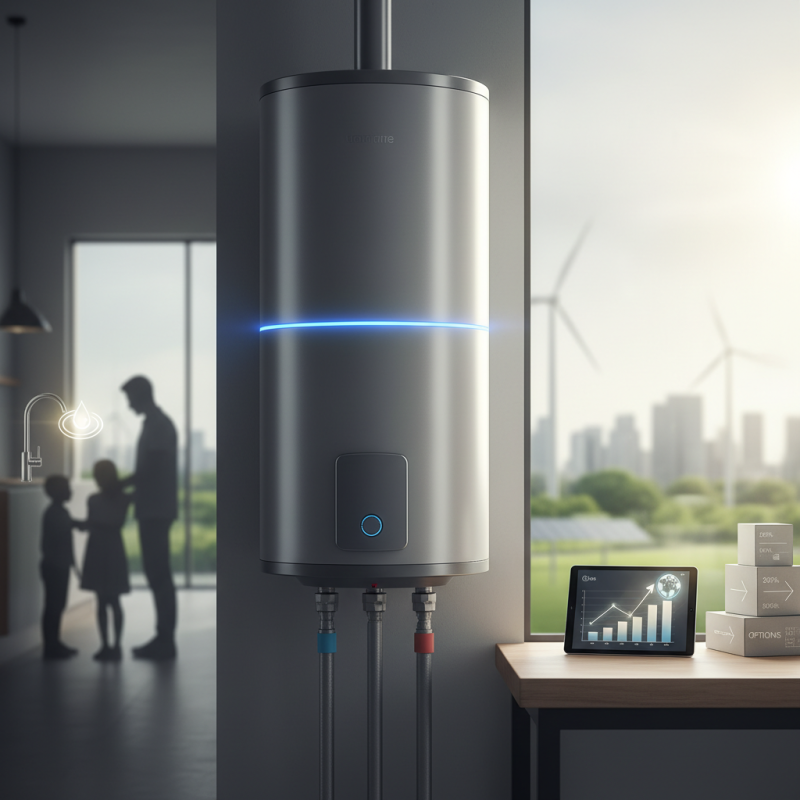
Top Features to Consider in Electric Water Heaters for 2026
When considering electric water heaters for 2026, several key features stand out. Efficiency is paramount. A report by the International Energy Agency suggests that advanced models can achieve up to 95% energy efficiency. This means lower monthly bills and a reduced carbon footprint, critical for eco-conscious consumers.
Another vital feature is capacity. Households with larger needs should prioritize models that offer quick recovery rates. A larger tank or a powerful heating element can make all the difference when family members need hot water simultaneously. It's essential to assess your household's peak demand to choose the right size.
Tips: Look for models with smart technology. They can optimize energy use based on your schedule. Consider warranty length, too. A longer warranty often indicates reliability.
Lastly, think about installation requirements. Some models may need more space and specific plumbing upgrades. Assessing these needs beforehand can save time and frustration later. Evaluate your existing setup to avoid unexpected costs.
Comparison of Leading Electric Water Heater Brands for Global Buyers
Electric water heaters have evolved significantly. Many options are now available. This grants consumers various features and efficiencies tailored to their needs. The importance of energy efficiency cannot be overstated. It affects both the environment and utility bills. Highly efficient models can save money over time.
When comparing brands, consider warranty durations and customer service reputation. Long warranties often indicate quality. Reliable customer service can make a difference during issues. Some brands excel in heating speed, while others shine in storage capacity. It’s crucial to assess your specific requirements. Take time to research reviews and user experiences. They often reveal strengths and weaknesses that technical specifications don’t cover.
Keep in mind that every option may have drawbacks. A powerful heater might be energy-hungry. Smaller units could struggle with high-demand households. Ultimately, finding the right balance is key. Prioritize what matters most to you: efficiency, capacity, or speed. Each element contributes to a satisfying purchase, and manufacturer claims should be verified based on real user input.
Energy Efficiency Ratings and Their Impact on Electric Water Heaters
When selecting an electric water heater, energy efficiency ratings significantly impact consumer choices. Data from the U.S. Department of Energy indicate that households can save up to 30% on energy bills by choosing an energy-efficient model. This distinction not only helps the environment but also reduces overall costs.
Energy efficiency ratings, such as the Energy Factor (EF), offer insight into how effectively a water heater converts energy into hot water. Higher EF ratings typically correlate with advanced insulation and heating technologies. For instance, tankless water heaters often boast better ratings due to their on-demand heating capabilities, which minimizes energy wastage. However, it’s crucial to consider installation costs that can offset immediate savings.
Choosing an electric water heater also involves balancing initial investment and long-term efficiency. Some high-efficiency models may have higher upfront prices. Buyers need to calculate potential energy savings against these costs carefully. In striving for energy efficiency, many may overlook installation intricacies, which can impact overall performance and savings.
Installation and Maintenance Tips for Electric Water Heaters
When installing an electric water heater, proper placement is key. Choose a location that is close to water sources to reduce pipe heat loss. Ensure the space is well-ventilated to avoid moisture buildup. This can prevent rust and extend the unit's lifespan. Additionally, make sure the heater meets local electrical codes.
Regular maintenance is essential for performance. Flush the tank annually to remove sediment buildup. This helps improve efficiency and prolongs the heater’s life. Inspecting connections and seals is important too. Look for any signs of leaks. They can be tricky to spot but can lead to bigger issues.
Consider checking the thermostat settings. A temperature of 120°F is often sufficient for most households. Higher settings may increase energy consumption without significant benefits. Remember, being proactive can save money and time in the long run.
Cost Analysis: Budgeting for Electric Water Heaters in 2026
As we look ahead to 2026, understanding the cost dynamics of electric water heaters becomes crucial for global consumers. According to the International Energy Agency, the average household spends about $400 annually on electric water heating. This figure can fluctuate significantly based on energy prices and usage patterns. Projections indicate that energy costs will increase by 10% in some regions over the next few years, impacting overall expenditure.
Budgeting for an electric water heater involves not only the initial purchase but also installation and long-term operational costs. A study by the U.S. Department of Energy estimates that installing a high-efficiency model can save homeowners up to $300 annually. However, the upfront cost may deter many buyers. While higher efficiency often means lower bills, it also means higher initial investments, which require careful financial planning.
In exploring these options, buyers should also consider the lifespan of the units. Electric water heaters typically last around 10-15 years. This lifespan impacts long-term expenses and replacement strategies. Investing in a more efficient model with advanced technology might seem daunting at first. Yet, the reduction in energy costs offers a compelling argument. Balancing upfront costs with ongoing savings remains a challenge for many buyers.


