Choosing the best Chamfering Cutter for 2026 is not simply a matter of selecting the newest model. The right tool must match the material, machine, cutting speed, and required edge finish. A cutter that performs beautifully in aluminum may chatter in stainless steel. Small details matter.
This guide examines practical factors used by experienced machinists and tooling specialists. These include cutter geometry, insert design, coating, shank stability, chip evacuation, and repeatability. We also consider how cleanly a tool produces a 45-degree edge on real components, not only in catalog photographs. Tool life matters. So does setup time.
There is no universal winner. That deserves emphasis. A compact carbide cutter may suit precise CNC work, while an adjustable tool may offer greater flexibility in a repair shop. Even skilled operators can choose poorly when workholding is weak or feeds are copied without testing. We will therefore compare performance in context, using manufacturer specifications, machining principles, and realistic workshop observations. Some conclusions may remain conditional. That is honest. The best Chamfering Cutter is the one that delivers consistent edges, controlled wear, and acceptable cost for your specific application. Examine the evidence carefully, then verify it with a measured test cut.
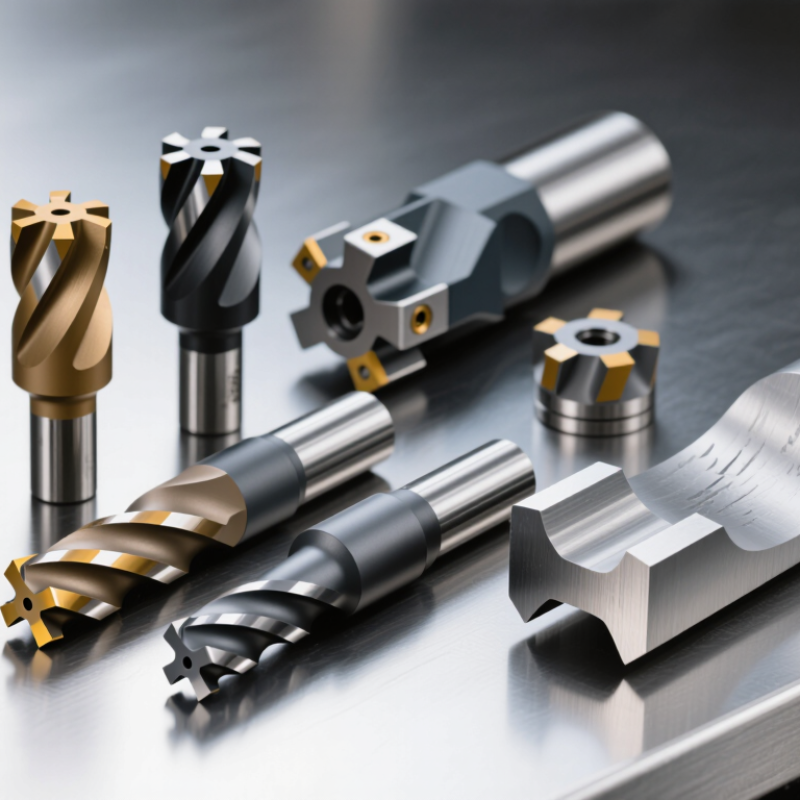
A chamfering cutter removes material from an edge to create a clean, angled surface. It usually works by rotating several cutting edges against the workpiece. Each edge takes a small chip, reducing burrs and making assembly easier. Chamfers can also protect sharp corners from impact damage.
The cutter’s angle must match the drawing or assembly requirement. Common choices include 45 degrees, but other angles suit seals, fasteners, and clearance areas. Cutter diameter, material, spindle speed, feed rate, and workpiece hardness all affect the result. A rigid setup helps prevent vibration. Even a small amount of tool runout can create an uneven chamfer. That detail is easy to miss.
Tips: Secure the workpiece firmly, then check the cutter’s condition before cutting. Begin with a light pass and inspect the edge under good lighting. Adjust feed or speed if the surface looks torn, overheated, or excessively bright. Use measuring tools instead of judging size by touch. For a production job, test one piece first and record the settings. In my view, this step is often skipped too quickly. It can reveal problems before they spread across an entire batch. A sharp cutter is not always the best choice if the setup lacks rigidity.
The best chamfering cutter depends on the material, edge angle, and required finish. Common options include countersink cutters, single-flute tools, multi-flute chamfer mills, and indexable cutters. Countersinks work well for screw seats and quick edge breaking. Single-flute designs can reduce chatter on softer materials. Multi-flute cutters often provide smoother results on steel and stainless steel. Solid carbide cutters offer strong wear resistance, but they can fail quickly under unstable setups. That detail is easy to overlook.
For repeated production work, indexable chamfering cutters may reduce operating costs. Their replaceable inserts simplify maintenance and keep the tool body in service. Adjustable chamfer tools help when several edge sizes are required. However, adjustment takes care and may introduce variation. A fixed-angle cutter is usually more predictable. In practical testing, spindle speed, feed rate, tool overhang, and workholding often matter as much as cutter type. A premium cutter cannot correct weak clamping or excessive vibration. I have also found that a slightly smaller chamfer can look cleaner than an aggressive pass.
Choosing the best chamfering cutter for 2026 starts with material, not marketing. Cemented carbide suits hardened steels, stainless alloys, and repeated production work. High-speed steel remains practical for softer metals, maintenance jobs, and interrupted cuts. The US Geological Survey’s 2025 Mineral Commodity Summaries reported global tungsten mine production at about 81,000 metric tons in 2024. That figure reinforces carbide’s industrial importance, but it does not make every carbide grade suitable. Grain size, cobalt content, and edge preparation still change real cutting behavior.
Angle selection must match the drawing and the machine’s rigidity. A 45-degree cutter handles common edge breaks, while 60-degree geometry can create a sharper visual transition. Smaller chamfers demand stable runout control. A 0.02 mm tool offset error can visibly distort a narrow edge. For coatings, TiAlN or AlTiN generally supports higher heat resistance than uncoated carbide. However, coating alone cannot fix poor chip evacuation. The 2024 Global Cutting Tools Market report from Grand View Research identifies carbide tools as a leading product segment, yet market share does not equal workshop performance. Test at the recommended surface speed, then adjust feed by observing burrs, sound, and edge wear. I prefer a controlled trial on the actual alloy. My first choice is sometimes wrong. A shiny finish can hide a weak edge, especially after several hundred parts. Record tool life, chamfer width, and spindle load before deciding.
What Is the Best Chamfering Cutter for 2026?
The best chamfering cutter is not simply the fastest tool. It must match the workpiece, machine, and required edge quality. Grand View Research’s 2024 cutting-tools analysis forecasts roughly 6% annual market growth through 2030. This growth reflects stronger demand for repeatable machining and reduced production waste. A reliable cutter should offer stable cutting geometry, low runout, and predictable insert life. In practical use, even a small runout error can leave uneven chamfer widths across a batch.
Adjustable-angle models suit mixed production, while fixed-angle cutters often provide better rigidity. For aluminum, polished cutting edges can reduce built-up material. Hardened steel usually needs tougher carbide and a suitable coating. Internal chamfers also require a tool profile that clears chips without rubbing. ISO 13399 data practices can improve tool identification and process documentation. However, published specifications cannot replace a test cut. Shop conditions vary more than catalog tables suggest.
Tips: Check runout with a dial indicator before cutting. Measure the first three parts, not only the first one. Keep cutting speed within the insert maker’s tested range. Use coolant when heat marks appear, but avoid changing several variables at once. I have found that a cheaper cutter can perform well after careful setup. Still, I sometimes overestimate tool life. Record edge wear, sound, burr size, and cycle time. Those details reveal whether the cutter is truly the best choice for 2026.
| Cutter Type | Typical Workpiece Materials | Common Chamfer Angle | Typical Diameter Range | Main Strength | Key Limitation | Best Application | Overall Suitability for 2026 |
|---|---|---|---|---|---|---|---|
| Indexable Insert Chamfer Mill | Steel, stainless steel, cast iron, aluminum | 30°, 45°, 60° and chamfer-specific angles | Approximately 16–80 mm | Replaceable inserts reduce downtime and support high material-removal rates. | Higher initial cost; insert selection and setup require attention. | Production machining, large chamfers and repeated batch work | Excellent for high productivity |
| Solid Carbide Chamfer Mill | Steel, stainless steel, cast iron, aluminum, hardened materials | 30°, 45°, 60° and 90° | Approximately 3–25 mm | High rigidity, accurate edge preparation and strong performance at elevated spindle speeds. | More vulnerable to impact and costly to replace after edge damage. | Small features, precision parts and CNC finishing | Excellent for precision work |
| High-Speed Steel Countersink | Mild steel, aluminum, brass, plastics and wood | 60°, 82°, 90° and 100° | Approximately 6–40 mm | Low purchase cost and good toughness in general-purpose applications. | Lower wear resistance and lower cutting speeds than carbide tools. | Maintenance, low-volume work and manual drilling operations | Good for budget-conscious general use |
| Carbide-Tipped Countersink | Abrasive aluminum alloys, composites, cast iron and nonferrous metals | 60°, 82°, 90° and 100° | Approximately 8–50 mm | Better wear resistance than high-speed steel when machining abrasive materials. | Less suitable for interrupted cuts and impact-prone setups. | Repeated countersinking and abrasive workpiece materials | Very good for wear resistance |
| Adjustable Chamfer Cutter | Steel, aluminum, brass, plastics and general engineering materials | Typically adjustable within a defined range | Approximately 10–50 mm | One tool can cover multiple chamfer sizes, reducing tool inventory. | Adjustment accuracy and rigidity may be lower than fixed-angle cutters. | Prototype work, repair work and mixed-part production | Very good for flexibility |
| Deburring and Chamfering Tool | Aluminum, brass, plastics, mild steel and thin sheet | Usually 45° or variable by design | Approximately 3–20 mm | Quick edge cleanup with minimal setup and low cutting forces. | Not intended for deep chamfers or heavy material removal. | Manual deburring, light finishing and small-batch production | Good for fast edge finishing |
What Is the Best Chamfering Cutter for 2026?
How to Select the Right Chamfering Cutter for Your Application
The best chamfering cutter depends on your workpiece, machine, and required edge finish. There is no universal choice.
Start with the material. Aluminum usually needs sharp cutting edges and generous flute space. Steel often requires stronger geometry and controlled cutting speed. Hardened materials demand a cutter designed for heat resistance and stable engagement.
Choose the chamfer angle from the drawing, not from habit. A 45-degree cutter suits many deburring tasks, while custom angles may improve assembly fit. Check the cutter diameter carefully. A large diameter can create excessive contact, especially on small parts. Keep it precise.
Tool holding also matters. A rigid holder reduces vibration and produces a cleaner edge. Shorter tool projection usually improves control. On a CNC machine, verify the cutter’s maximum speed, feed range, and axial load. Small details matter.
I once selected a cutter by diameter alone. The chamfer looked uneven near interrupted features. The real issue was poor workholding, not the cutter. That mistake changed my selection process. I now test one sample part, inspect the edge under magnification, and check for burrs, chatter, or discoloration. Record the result. A simple cutting log can reveal patterns that memory misses.
The ideal chamfering cutter depends on the required edge geometry and machining purpose. A 45° cutter is widely used for edge breaking and deburring, while 90° cutters are commonly selected for countersink preparation. A 60° cutter is often suitable for weld-preparation work. Select the cutter angle first, then match the tool material, diameter, coating, and machine capability to the workpiece.
| Cookie | Duration | Description |
|---|---|---|
| cookielawinfo-checkbox-analytics | 11 months | This cookie is set by GDPR Cookie Consent plugin. The cookie is used to store the user consent for the cookies in the category "Analytics". |
| cookielawinfo-checkbox-functional | 11 months | The cookie is set by GDPR cookie consent to record the user consent for the cookies in the category "Functional". |
| cookielawinfo-checkbox-necessary | 11 months | This cookie is set by GDPR Cookie Consent plugin. The cookies is used to store the user consent for the cookies in the category "Necessary". |
| cookielawinfo-checkbox-others | 11 months | This cookie is set by GDPR Cookie Consent plugin. The cookie is used to store the user consent for the cookies in the category "Other. |
| cookielawinfo-checkbox-performance | 11 months | This cookie is set by GDPR Cookie Consent plugin. The cookie is used to store the user consent for the cookies in the category "Performance". |
| viewed_cookie_policy | 11 months | The cookie is set by the GDPR Cookie Consent plugin and is used to store whether or not user has consented to the use of cookies. It does not store any personal data. |