For global buyers, Canada DDP Shipping can make landed costs easier to understand: the seller arranges delivery and import clearance, and pays applicable duties and taxes under the agreed DDP terms. The details still matter. The International Chamber of Commerce’s Incoterms® 2020 rules place substantial responsibility on the seller, so buyers should confirm the named destination, customs paperwork, and tax handling before booking. A low quote can leave important questions unanswered.
Reliable delivery takes more than a freight rate. UNCTAD’s Review of Maritime Transport 2024 reports that over 80% of world trade by volume moves by sea, highlighting the role of ocean freight in international supply chains. The World Bank’s Logistics Performance Index 2023 ranks Canada seventh overall, but national rankings cannot predict the performance of a specific route or courier. That distinction matters. A shipment arriving at a Vancouver terminal still needs accurate documents, customs coordination, and a dependable final-mile handoff. This guide compares seven Canada DDP shipping companies by service scope, tracking, pricing transparency, and support. No provider fits every shipment. Buyers should verify current coverage, delivery estimates, and what happens when customs requests more information; even a polished quote may not tell the whole story.
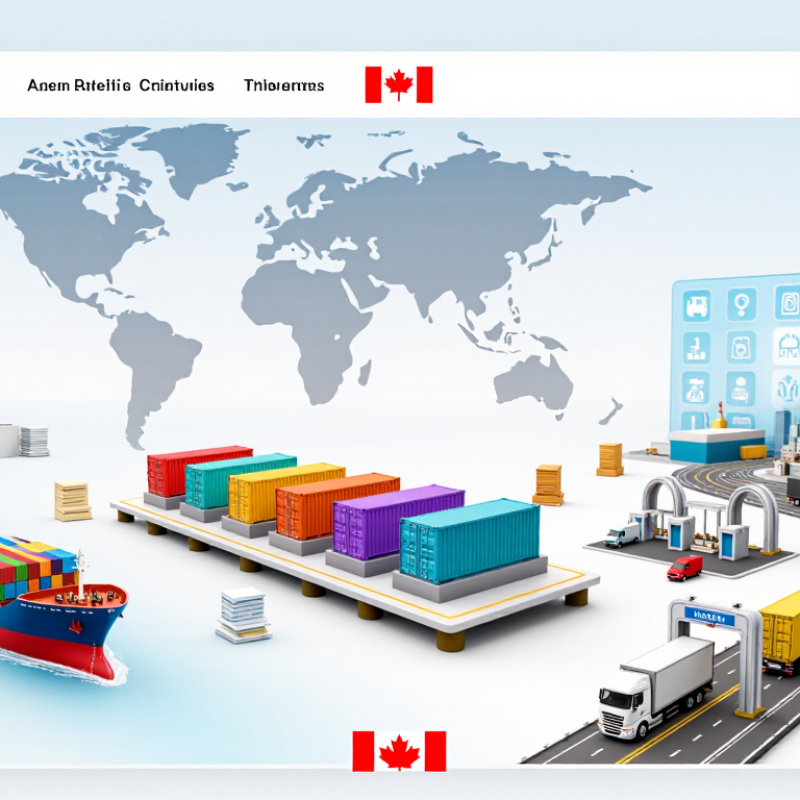
DDP, or Delivered Duty Paid, means the seller arranges delivery to the agreed Canadian destination and takes responsibility for import clearance, duties, and applicable taxes under the shipping agreement. For buyers, the main appeal is a clearer landed-cost estimate and fewer payment requests at the door. The term can sound more certain than the route really is. Confirm what the quote includes, such as customs brokerage, local delivery, and any remote-area fees.
A useful quote needs accurate shipment details. Share the full delivery address and postal code, product descriptions, quantities, and declared values. These details help the shipping provider assess costs and prepare clearance documents.
Ask who handles unexpected assessments, storage charges, or delivery delays before booking. Keep the written quote and shipment records; they make questions easier to resolve.
Not every route moves smoothly. A parcel may pause while officials review its paperwork, and estimated transit times are not guarantees. DDP can simplify payment, but it does not remove the value of checking the terms carefully.
Choosing among Canada DDP shipping companies starts with the quote, not its headline price. Ask for a written breakdown covering pickup, export handling, freight, customs brokerage, duties, Canadian sales taxes, and final delivery. Tax estimates can vary by province and shipment details, so ask which assumptions were used. Ask for evidence.
Check whether the provider has handled your route, cargo type, and delivery address. Service to a major city may differ from service to a remote community. Confirm who prepares customs documents, what information you must provide, and how clearance delays are handled. Request sample tracking updates and a realistic delivery window. That matters.
Review liability terms, insurance options, claim deadlines, and the process for damaged or missing freight. Confirm whether the price includes residential delivery, fuel surcharges, storage, or redelivery fees. Request a sample invoice and written service terms. A polished quote is not proof of strong operations. Speak with a reference if possible, and see whether support can explain charges clearly. I would still allow for uncertainty: inspections and weather can disrupt careful plans. Prefer a provider that documents risks over one that promises the fastest arrival.
For global buyers, the 7 best Canada DDP shipping companies are not simply the ones with the lowest quote. They are providers that can coordinate pickup, export handling, Canadian customs clearance, duties, taxes, and final delivery under clearly stated terms. Options include integrated international carriers, freight forwarders, air cargo specialists, ocean consolidators, parcel networks, e-commerce fulfillment providers, and regional third-party logistics firms. Not every provider in these groups offers full DDP service, so confirm responsibility in writing.
Compare each company’s shipping routes, transit estimates, tracking updates, and ability to handle your product’s paperwork. Ask whether quoted duties and taxes are estimates or confirmed amounts, and check for limits on remote-area delivery, storage, or address changes. Details matter. A complete quote should identify who pays each charge and what happens if customs requests more information. Vague answers are a warning sign.
The cheapest offer can look appealing, but extra handling or delivery fees may change the final cost. Request a sample quote using your shipment’s dimensions, weight, destination, and declared value. Then compare the service scope, not just the headline price. One imperfect detail is worth checking twice: “door to door” may not mean every charge is included. A careful review helps buyers choose a reliable partner and plan landed costs with fewer surprises.
For Canada-bound DDP, compare the landed bill, not just freight. A complete quote should identify transport, customs brokerage, import duty, applicable sales tax, and final-mile delivery. Canada’s federal GST is 5%, while provincial tax treatment varies by destination and transaction. Ask whether the quote includes disbursement fees, remote-area surcharges, and address corrections. Small line items matter.
Air and express services usually suit samples or urgent replenishment. Ocean consolidation can lower costs for heavier loads, but adds handling and schedule risk. Speed costs more. Compare door-to-door delivery windows, not flight or sailing time alone. Request separate estimates for pickup, export handling, clearance, and delivery. The World Bank’s 2023 Logistics Performance Index tracks customs, infrastructure, shipment tracking, and timeliness—useful checks on provider claims.
Ocean rates can also shift quickly. UNCTAD’s 2024 Review of Maritime Transport reported Shanghai–Europe container spot rates rose more than 250% from late 2023 to mid-2024. This is not a Canada-specific rate, but it signals quote volatility. Request a validity date and written rules for exchange-rate changes or reassessment. Not always. A low DDP offer may omit taxes or delivery exceptions, so ask for a sample invoice and confirm who pays if customs details change. Even matched quotes can mislead when shipment details are incomplete.
A reliable DDP shipping partner should explain exactly what its quote includes. Confirm that import clearance, applicable duties and taxes, and delivery to your Canadian address are covered. Ask which Incoterms version the quote uses and who handles customs paperwork. Clear answers matter.
Compare more than the headline price. Request a sample breakdown showing freight, fuel or remote-area surcharges, and any fees that could arise if shipment details change. Check whether the carrier provides tracking, realistic transit estimates, and a named contact for delays. For a rural address, confirm that final-mile delivery is included, not merely delivery to a nearby terminal.
Check how the provider verifies shipment information and resolves billing or delivery disputes. Ask about claims procedures, required documents, and response times before booking. A low quote can still look attractive, but unclear exclusions may cost more later. I would also compare a second quote; estimates are not guarantees, and my own first comparison would not be enough. Choose a partner whose terms are specific, readable, and consistent with your shipment’s dimensions, value, and destination.
This chart compares GST/HST rates by province and territory. It does not include provincial sales taxes (such as PST or QST), customs duties, or shipping charges, which may also affect the final DDP cost. Nova Scotia’s rate shown is effective April 1, 2025. Source: Canada Revenue Agency.
| Cookie | Duration | Description |
|---|---|---|
| cookielawinfo-checkbox-analytics | 11 months | This cookie is set by GDPR Cookie Consent plugin. The cookie is used to store the user consent for the cookies in the category "Analytics". |
| cookielawinfo-checkbox-functional | 11 months | The cookie is set by GDPR cookie consent to record the user consent for the cookies in the category "Functional". |
| cookielawinfo-checkbox-necessary | 11 months | This cookie is set by GDPR Cookie Consent plugin. The cookies is used to store the user consent for the cookies in the category "Necessary". |
| cookielawinfo-checkbox-others | 11 months | This cookie is set by GDPR Cookie Consent plugin. The cookie is used to store the user consent for the cookies in the category "Other. |
| cookielawinfo-checkbox-performance | 11 months | This cookie is set by GDPR Cookie Consent plugin. The cookie is used to store the user consent for the cookies in the category "Performance". |
| viewed_cookie_policy | 11 months | The cookie is set by the GDPR Cookie Consent plugin and is used to store whether or not user has consented to the use of cookies. It does not store any personal data. |