Get an instant quote
Get in touch Listen to our podcast

Blog

Top Benefits of Mineral Wool Batts for Energy Efficiency?

Energy efficiency is a pressing concern in today's construction industry. One effective solution is the use of Mineral Wool Batts. These insulation materials not only help maintain indoor temperatures but also contribute to energy savings. According to the U.S. Department of Energy, proper insulation can reduce heating and cooling costs by up to 30%. This statistic emphasizes the importance of choosing the right insulation, with Mineral Wool Batts emerging as a top contender.

Mineral Wool Batts offer superior thermal performance. They provide a high R-value, which is crucial for energy efficiency. The National Institute of Standards and Technology reports that materials with an R-value of 20 or above significantly enhance a building's energy performance. Additionally, these batts are fire-resistant and soundproof, making them a well-rounded choice for both residential and commercial properties.

However, selecting the appropriate insulation requires careful consideration. Mineral Wool Batts, while effective, can be more expensive than other options. Homeowners should weigh their budgets against the long-term savings. Understanding these nuances allows for more informed decisions in energy-efficient building practices.
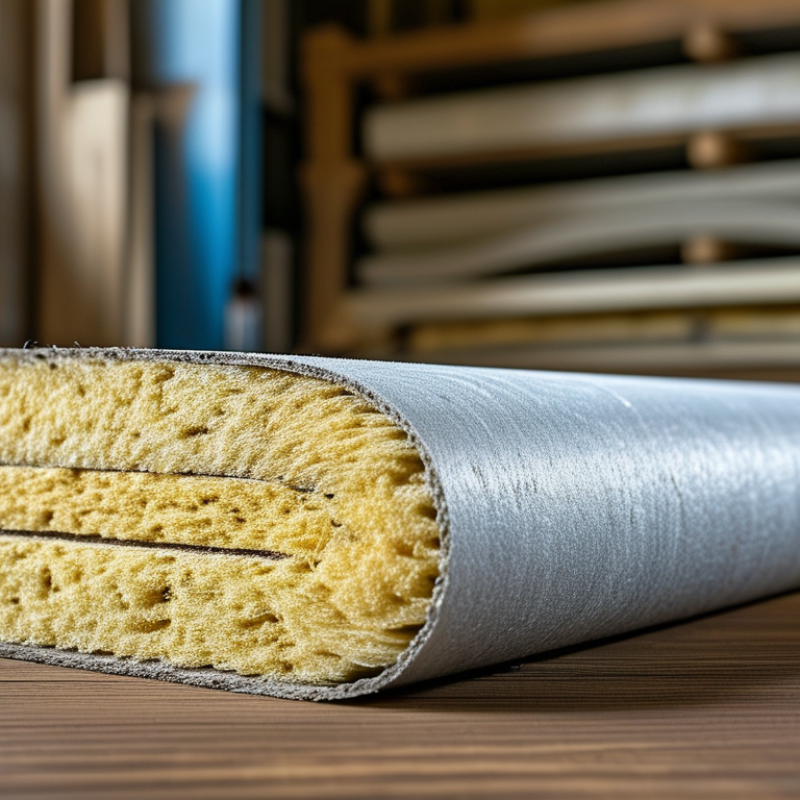
Top Benefits of Mineral Wool Batts for Energy Efficiency?

Benefits of Mineral Wool Batts for Insulation and Energy Savings

Mineral wool batts are gaining attention for their impressive insulation properties and energy-saving capabilities. Designed from natural or recycled materials, they help maintain stable indoor temperatures. This reduces the need for excessive heating and cooling, ultimately cutting energy bills.

One of the notable benefits of mineral wool batts is their ability to resist moisture. This feature helps prevent mold growth and dampness in walls and ceilings, enhancing air quality. However, installation should be done properly; gaps can lead to reduced efficiency, and improper handling may cause skin irritation.

For those considering mineral wool batts, it’s wise to ensure proper thickness and density according to your climate. An experienced installer can make a real difference in effectiveness. Consider investing in protective gear during installation, as fibers can irritate the skin and lungs. Proper insulation not only provides comfort but also contributes to a more sustainable home. Choosing the right insulation will benefit both your living space and the environment.

Key Characteristics of Mineral Wool for Enhanced Energy Efficiency

Mineral wool batts play a vital role in enhancing energy efficiency in buildings. One key characteristic is their exceptional thermal insulation properties. According to industry reports, mineral wool can achieve an R-value of up to 4.3 per inch, making it a top contender for improving energy retention. This characteristic helps minimize heat loss in winter and heat gain in summer, fostering a more stable indoor environment.

Another notable feature is their soundproofing capabilities. Mineral wool is known to significantly reduce sound transmission, which contributes to a quieter living space. Studies show that buildings insulated with mineral wool batts can achieve a 50% reduction in sound levels compared to those with standard insulation materials. This dual functionality—thermal and acoustic—is crucial for maintaining comfort.

Mineral wool also offers fire resistance. It can withstand temperatures up to 2,000 degrees Fahrenheit without melting or releasing harmful fumes. However, while this material is advantageous, its installation requires skill and precision. Improper installation can lead to gaps that reduce insulation effectiveness. Therefore, it’s essential to engage qualified professionals for installation to fully unlock its potential benefits.

Comparison of Mineral Wool Batts with Other Insulation Materials

When comparing mineral wool batts to other insulation materials, notable differences emerge. Mineral wool, derived from natural or recycled materials, excels in fire resistance. Its ability to withstand high temperatures makes it a safer choice for many buildings. Traditional fiberglass insulation lacks this feature, posing potential hazards. Moreover, mineral wool provides better sound insulation. Its dense structure absorbs sound waves effectively, reducing noise between rooms.

Another key point is moisture resistance. Mineral wool does not absorb water, preventing mold growth and decay. In contrast, cellulose insulation can trap moisture, leading to mold issues. This quality enhances the lifespan of structures insulated with mineral wool. Yet, cost can be a concern for some homeowners. The initial investment may seem high, though energy savings over time often offset these costs.

Durability is another consideration. Mineral wool maintains its insulating properties over time, unlike some foam insulations that degrade. This leads to a more consistent energy performance. While mineral wool's ecological benefits are commendable, sourcing practices should be to ensure sustainability. Reflecting on these differences helps homeowners make informed decisions regarding insulation options.

Installation Considerations for Optimal Performance of Mineral Wool Batts

When it comes to installing mineral wool batts, attention to detail is key for optimal performance. Proper fitting is crucial. Ensure the batts snugly fit between framing members, such as studs or joists, without gaps. Gaps can reduce thermal efficiency, leading to wasted energy. Also, avoid compressing the material, as this can diminish its insulating properties.

Consider the installation environment. Ideal conditions are dry spaces. Excess moisture can damage mineral wool and reduce effectiveness. If you're working in a high-humidity area, explore moisture barriers to protect the insulation. This additional layer can safeguard against potential mold growth and maintain air quality.

Paying attention to air sealing is another important step. Before installing batts, seal gaps and cracks around windows and doors. This will enhance the overall efficiency of your insulation system. While the process may seem tedious, the increase in energy efficiency will be worth the effort. Missteps in installation can undermine your goals. Ensure you're well-informed about best practices for the best results.

Top Benefits of Mineral Wool Batts for Energy Efficiency

This chart illustrates the top benefits of mineral wool batts in terms of energy efficiency, showcasing their effectiveness in thermal insulation, sound absorption, fire resistance, moisture control, and sustainability. The ratings are based on a scale of 1 to 10, indicating the relative importance of each benefit.

Long-Term Impacts of Mineral Wool Batts on Energy Costs and Sustainability

Mineral wool batts are gaining attention for their role in enhancing energy efficiency. Their long-term impact on energy costs and sustainability can be profound. According to the U.S. Department of Energy, proper insulation can reduce heating and cooling costs by 20% to 30%. This is significant for both residential and commercial buildings. By minimizing energy consumption, mineral wool batts can lead to lower utility bills and decreased greenhouse gas emissions.

Another crucial aspect is sustainability. Mineral wool is made from natural or recycled materials, which contributes to a lower carbon footprint. A report from the Environmental Protection Agency states that improving insulation is one of the most effective ways to combat energy waste. Mineral wool batts can last for decades, ensuring that their benefits are realized over time. However, the initial installation cost can be a deterrent for some. It’s essential to weigh these costs against potential long-term savings and environmental benefits. Using mineral wool may not guarantee instant savings, but it aligns with a commitment to sustainable living and energy efficiency.

Despite these advantages, challenges remain. Not all installations meet the necessary building codes. Proper training and adherence to best practices are critical. Homeowners and builders must invest in education on the correct installation methods. Otherwise, the potential energy savings may not be fully realized.

Top Benefits of Mineral Wool Batts for Energy Efficiency

Benefit Description Long-Term Impact Sustainability Rating
Thermal Insulation Provides excellent thermal resistance, reducing heating and cooling needs. Lower energy costs over time due to reduced reliance on HVAC systems. High
Acoustic Control Absorbs sound, providing quieter indoor environments. Improves quality of life and can increase property value. Moderate
Fire Resistance Inherently non-combustible and can slow the spread of fire. Enhanced safety, which can lead to lower insurance premiums. High
Moisture Resistance Resists absorption of moisture, reducing mold growth risk. Longevity of building materials and improved indoor air quality. High
Recyclability Made from sustainable materials and can be recycled at the end of their life cycle. Reduces landfill waste and environmental impact. Very High
CNC machining CAD export file formats

Put your parts in production today

Get an instant quote