Get an instant quote
Get in touch Listen to our podcast

Blog

What are the Benefits of Fast Prototyping Techniques?

In the fast-paced world of product development, "fast prototyping" has emerged as a vital technique. According to Dr. Emily Chen, a leading expert in rapid design methods, “Fast prototyping allows teams to visualize and test ideas quickly.” This approach not only accelerates the design process but also fosters innovation through immediate feedback.

Companies using fast prototyping can reduce time to market significantly. They can build tangible models early in the process. This makes it easier to identify flaws and gather user insights. However, it's worth noting that speed can sometimes lead to overlooked details. Not every prototype will be perfect. Each iteration often reveals new challenges that require reflection and adjustment.

Furthermore, while fast prototyping offers advantages, it is not a one-size-fits-all solution. Teams must balance speed with thorough testing. The risk of rushing can impact final product quality. Thus, while embracing fast prototyping, one must continually evaluate its effectiveness. Only then can organizations truly harness its potential for successful innovation.
What are the Benefits of Fast Prototyping Techniques?

Benefits of Fast Prototyping in Product Development

Fast prototyping in product development offers many advantages. It allows teams to create quick models of ideas. This speeds up the feedback loop. Rapid testing helps identify flaws early. Quick iterations can refine concepts faster than traditional methods. As a result, the overall development time reduces significantly.

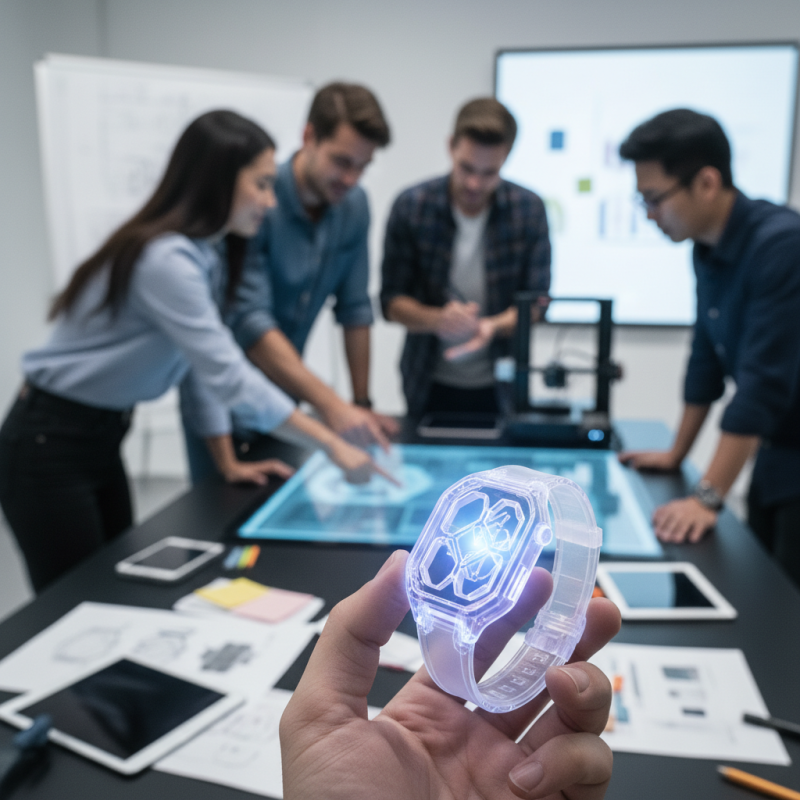
Additionally, fast prototyping encourages collaboration. Designers and engineers can work closely together. This hands-on approach often reveals unexpected insights. However, teams may struggle with maintaining focus. Sometimes, prototypes lead to distractions rather than clarity. It's essential to balance exploration with purpose.

Moreover, fast prototyping fosters innovation. It provides a safe space for experimentation. In this environment, even failed attempts can generate valuable lessons. Yet, not every prototype will hit the mark. Some ideas may require more time than anticipated. Embracing these imperfections can ultimately lead to better solutions.


Enhancing Collaboration Through Rapid Prototyping Methods

What are the Benefits of Fast Prototyping Techniques?

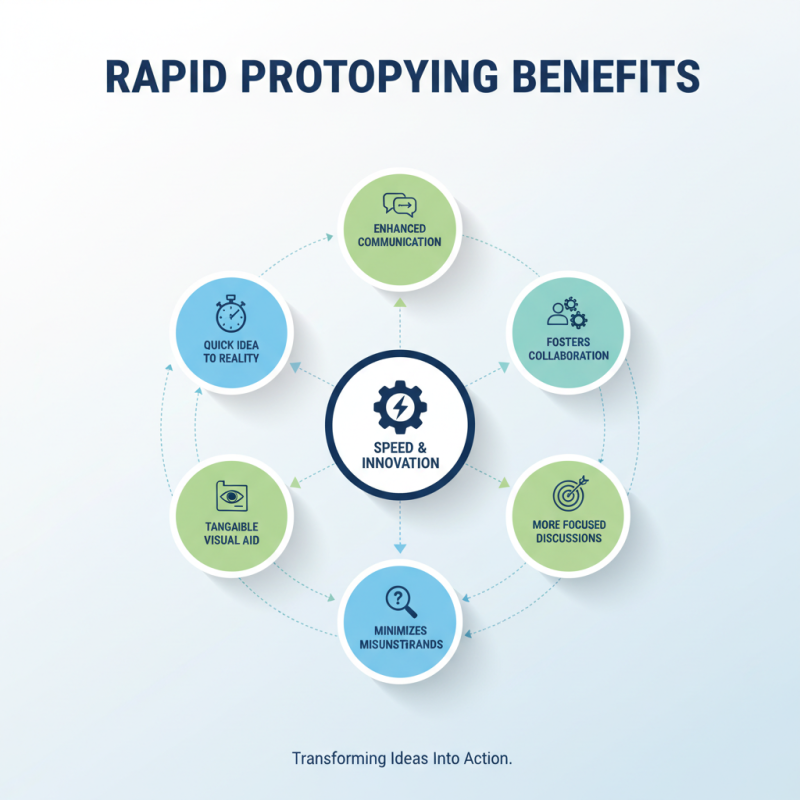
In today’s fast-paced environment, rapid prototyping is essential. It allows teams to bring ideas to life quickly. This method fosters collaboration as it encourages direct feedback. Team members can see a tangible version of their ideas sooner. This visual aid enhances communication. Discussions become more focused. Misunderstandings are minimized.

Effective prototyping engages everyone. Designers, engineers, and stakeholders all contribute. This collective effort leads to improved solutions. When everyone is involved, the design process becomes more inclusive. However, it is important to stay mindful of differing opinions. Some ideas may clash, but this friction can result in innovation.

Tips for successful collaboration: Encourage open dialogue among team members. Create an environment where all voices are heard. Use sketches or digital models to facilitate discussions. Be prepared to revisit and refine ideas. Not every prototype will be perfect. Embrace those imperfections for valuable lessons.

Reducing Time-to-Market with Fast Prototyping Techniques

Fast prototyping techniques play a crucial role in reducing time-to-market. By creating early versions of products, teams can test ideas more quickly. This iterative process often reveals flaws early on. It allows designers to gather feedback sooner, which can refine the final product. Rapid prototypes can be anything from sketches to functional models. Each version offers insights that shape better decisions.

For example, a tech startup might create a simple app demo. This prototype helps in visualizing the user interaction. The team may find navigation issues. These realizations come before significant development begins. However, it’s not always perfect. Sometimes, expectations clash with reality. Prototypes may require multiple revisions. These inconsistencies can be frustrating, but each iteration brings progress. Users often have ideas that challenge initial concepts. Embracing feedback is essential for improvement.

Ultimately, fast prototyping saves time and money. It minimizes the risk of investing in a flawed product. Teams may face hurdles during prototyping, yet overcoming these can lead to innovation. The journey from concept to market is filled with lessons. Each prototype is not just a step; it’s an opportunity for growth.

What are the Benefits of Fast Prototyping Techniques?

Benefit Description Impact on Time-to-Market
Enhanced Collaboration Promotes teamwork among stakeholders by providing a visual representation. Reduces feedback loops, speeding up development cycles.
Improved User Feedback Allows for early testing with users, collecting vital input on the product. Enables quicker adjustments before full-scale development.
Cost Efficiency Reduces development costs through early identification of issues. Decreases resource wastage, contributing to quicker launches.
Increased Innovation Encourages Creative Experimentation without the fear of failure. Facilitates rapid iterations leading to pioneering solutions.
Faster Risk Identification Identifies technical and market risks early in the development process. Mitigates delays due to unforeseen obstacles, accelerating launch timelines.

Improving User Feedback and Iteration Cycles with Prototypes

Fast prototyping techniques play a vital role in enhancing user feedback. By creating quick and tangible versions of your ideas, you allow users to interact with a product early in the process. This interaction often reveals insights that traditional methods overlook. Users might identify pain points or features that are confusing, allowing you to make necessary adjustments before the final version is built.


One effective tip for improving user feedback is to involve a diverse group of users in the testing phase. Different perspectives can lead to a richer understanding of potential issues. However, don't just rely on one round of feedback. Multiple iterations will help refine your prototype and address concerns that may arise later.


Always be prepared for unexpected feedback. Sometimes, users may not respond as you anticipate. Embrace this uncertainty. It can highlight gaps in your design or spark new ideas. Use this information to iterate and enhance your prototype further, ensuring it aligns closely with user needs.

Cost-Effectiveness of Fast Prototyping in Design Processes

Fast prototyping techniques revolutionize design processes by enhancing cost-effectiveness. Traditional methods often require extensive resources and lengthy timelines. In contrast, rapid prototyping allows designers to create models quickly. This speeds up the feedback loop, helping teams identify errors before they become costly problems.

Consider a design project where multiple iterations are necessary. Using fast prototyping can significantly reduce expenses by minimizing waste. A team might create a basic model using 3D printing. They can test functionality without investing in fully developed products. However, there can be a pitfall: rushing to prototype may lead to overlooking critical design aspects.

Effective communication is essential throughout the prototyping stage. Teams must discuss expectations clearly. Misunderstandings can lead to flawed prototypes, wasting both time and resources. Fast prototyping is not a fix-all solution; it requires careful planning. Designers must balance speed with quality to truly benefit from this approach.

Benefits of Fast Prototyping Techniques

CNC machining CAD export file formats

Put your parts in production today

Get an instant quote