What Are the 2026 Top Center Outlet Drain Types?
Choosing the right Center Outlet Drain is no longer a minor bathroom detail. It affects water flow, cleaning, accessibility, and tile alignment. The 2024 NKBA Bathroom Design Trends Report highlights wellness, accessible layouts, and low-maintenance materials as important design priorities. Those priorities directly influence modern shower drainage.
Market reports from Grand View Research also show continued growth in bathroom fixtures through 2030. However, market growth does not prove that one drain design suits every project. That assumption needs questioning. A compact square point drain may suit a standard shower floor. A linear drain can simplify large-format tile planning. A tile-insert grate may create a quieter visual surface. Stainless steel remains practical where frequent cleaning and long service life matter.
John Bridge, a respected tile-industry educator, wrote, “The drain is the most important part of a shower.” His statement captures a field-tested reality. A beautiful floor still fails when water pools near the corners. In practice, installers examine slope, membrane compatibility, grate height, outlet capacity, and maintenance access before selecting a model. Plumbing standards, including guidance referenced by ASPE and the International Plumbing Code, also require careful attention to drainage performance and installation conditions.
This guide compares the 2026 top Center Outlet Drain types through those practical criteria. It considers point drains, linear drains, tile-insert systems, stainless grates, and hybrid designs. Some rankings remain subjective. Manufacturer claims can also sound stronger than real job-site performance. The most reliable choice depends on shower size, tile format, cleaning habits, installer experience, and local code requirements. Small details matter. A few millimeters can change the floor’s drainage behavior.
What Defines a Center Outlet Drain and Its Main Applications
What Are the 2026 Top Center Outlet Drain Types?
A center outlet drain places its discharge opening beneath the middle of the drain cover or shower area. Water travels across the surrounding surface before entering the outlet. This differs from a side outlet drain, which collects water near an edge or wall. The geometry matters. It supports balanced floor slopes and can simplify waterproofing around a central point.
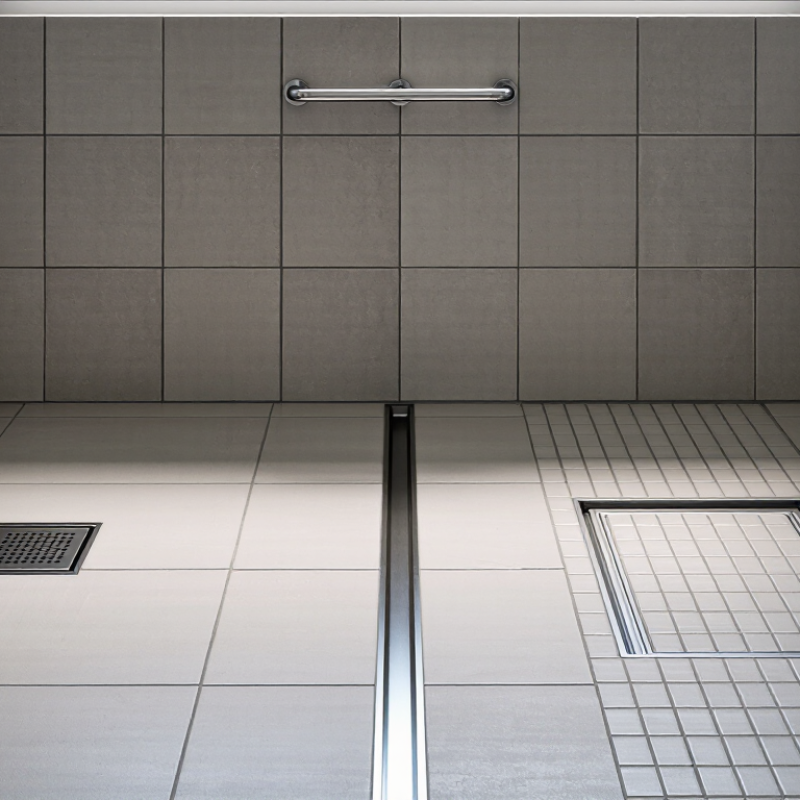
Common types include round point drains, square grate drains, tile-insert drains, and adjustable-height models. Round and square designs suit many residential showers and utility rooms. Tile-insert versions create a quieter visual surface because the cover can hold matching tile. Adjustable models help installers manage varying tile thicknesses and floor levels. Based on site experience, this adjustment often prevents uneven edges, although it cannot correct poor base preparation.
Center outlet drains work well in walk-in showers, wet rooms, locker rooms, balconies, laundry areas, and commercial wash spaces. They are especially practical where water may arrive from several directions. A properly formed floor slope, usually around 1% to 2%, guides water without creating puddles. Drain capacity, grate size, pipe alignment, and cleaning access also deserve attention. A beautiful cover is not enough.
Small details decide performance. The outlet must align accurately with the waste pipe. Waterproofing should connect securely with the drain body. I have seen attractive installations fail because the surrounding screed settled slightly. That lesson is easy to overlook. Better planning may matter more than selecting the most expensive drain type.
How the Leading 2026 Center Outlet Drain Types Differ
What Are the 2026 Top Center Outlet Drain Types?
How the Leading 2026 Center Outlet Drain Types Differ
Center outlet drains remain popular in 2026 because they simplify pipe alignment beneath shower floors. The leading types differ in grate design, installation depth, flow capacity, and cleaning access. Standard round and square drains suit concrete or tiled floors, while tile-insert models create a quieter, less visible surface. Low-profile bodies help when floor depth is limited, but they may leave less room for adjustment.
Flow performance matters more than appearance. The U.S. Environmental Protection Agency’s WaterSense specification limits showerhead flow to 2.0 gallons per minute. A properly sized drain should handle that discharge without visible pooling. ASPE plumbing design guidance also emphasizes trap accessibility, slope, and maintainable connections. In practical installations, a drain positioned at the true floor center can reduce uneven slopes. However, small framing errors still create puddles. This is often overlooked.
Tips: Confirm the outlet diameter, trap position, waterproofing method, and grate height before ordering. Use a removable strainer where hair buildup is likely. Tile-insert covers look refined, but cleaning can be slower. Stainless steel handles frequent moisture well, though surface quality varies between suppliers. Check published flow data rather than trusting photographs.
Reports from the U.S. EPA and residential remodeling surveys from the National Kitchen & Bath Association show continued attention to water efficiency, accessibility, and easier maintenance. Those priorities are shaping center outlet drain selection more than decorative styling alone. A beautiful drain is not enough.
How to Select the Best Center Outlet Drain for Each Project
Choosing a center outlet drain in 2026 starts with the project, not the catalog. Standard fixed-height drains suit new concrete floors with predictable depths. Adjustable-height drains work better when tile thickness may change. Low-profile models help during renovations, where the available floor cavity is limited. Tile-insert grates create a quieter visual effect, while stainless steel grates offer easier inspection and cleaning.
Measure the floor buildup before selecting the drain. Include the waterproofing layer, mortar bed, tile, and grate height. A drain can look correct but sit too low, causing water to collect around its edges. I have seen this happen when installers measured from the slab instead of the finished surface. Check the outlet direction, trap space, flow capacity, and pipe size. Then confirm local plumbing and waterproofing requirements.
The shower shape also matters. A square room often works well with a centered point drain and four sloped planes. A larger wet area may need stronger flow control or more than one drainage point. For accessible bathrooms, choose a shallow transition and a grate that will not catch wheels or bare feet. Keep maintenance practical. Removable strainers help, but tiny openings can clog quickly with hair and soap. I still reconsider “designer” choices when cleaning becomes difficult. Performance should remain visible beneath the finish.
Maintenance, Compatibility, and Long-Term Performance Considerations
Choosing a 2026 top center outlet drain depends on maintenance access, floor construction, and expected water flow. Point drains with round or square grates remain practical for many shower layouts. Tile-insert covers offer a quieter, integrated appearance, but their narrow joints can collect soap residue. A removable grate matters more than appearance during real cleaning.
Compatibility should be checked before installation. Confirm the drain body matches the pipe diameter, waterproofing method, floor thickness, and tile height. Some center outlet drains suit bonded sheet membranes, while others work better with traditional mortar beds. Adjustable-height models can help when tile thickness changes, but excessive adjustment may weaken alignment. Measure twice.
Long-term performance depends on slope, seal quality, and access for inspection. The surrounding floor should direct water evenly toward the outlet, without low spots near the wall. Stainless steel or corrosion-resistant finishes generally tolerate wet rooms well, yet they still need regular rinsing and soft-brush cleaning. Avoid harsh tools that scratch the grate and trap deposits. I have found that neglected hair screens cause more drainage problems than the outlet design itself. This is easy to overlook. A drain may appear correctly installed but still perform poorly when the waterproofing transition is rushed. Check the seal after the first few uses, then inspect it periodically for movement, odor, or slow flow.


